
Business-First Innovation
We begin by identifying the operational bottleneck—such as high training costs or assembly errors—ensuring immersive solutions address real business challenges.
Bring product visualization, complex training, and remote collaboration into interactive environments, helping your teams work faster, learn safely, and present solutions with clarity.
We build AR and VR applications that help your teams learn faster, view complex products, and collaborate remotely with clear instructions.

Overlay step-by-step assembly instructions, technical data, and assembly lines onto physical equipment using mobile devices or smart glasses.

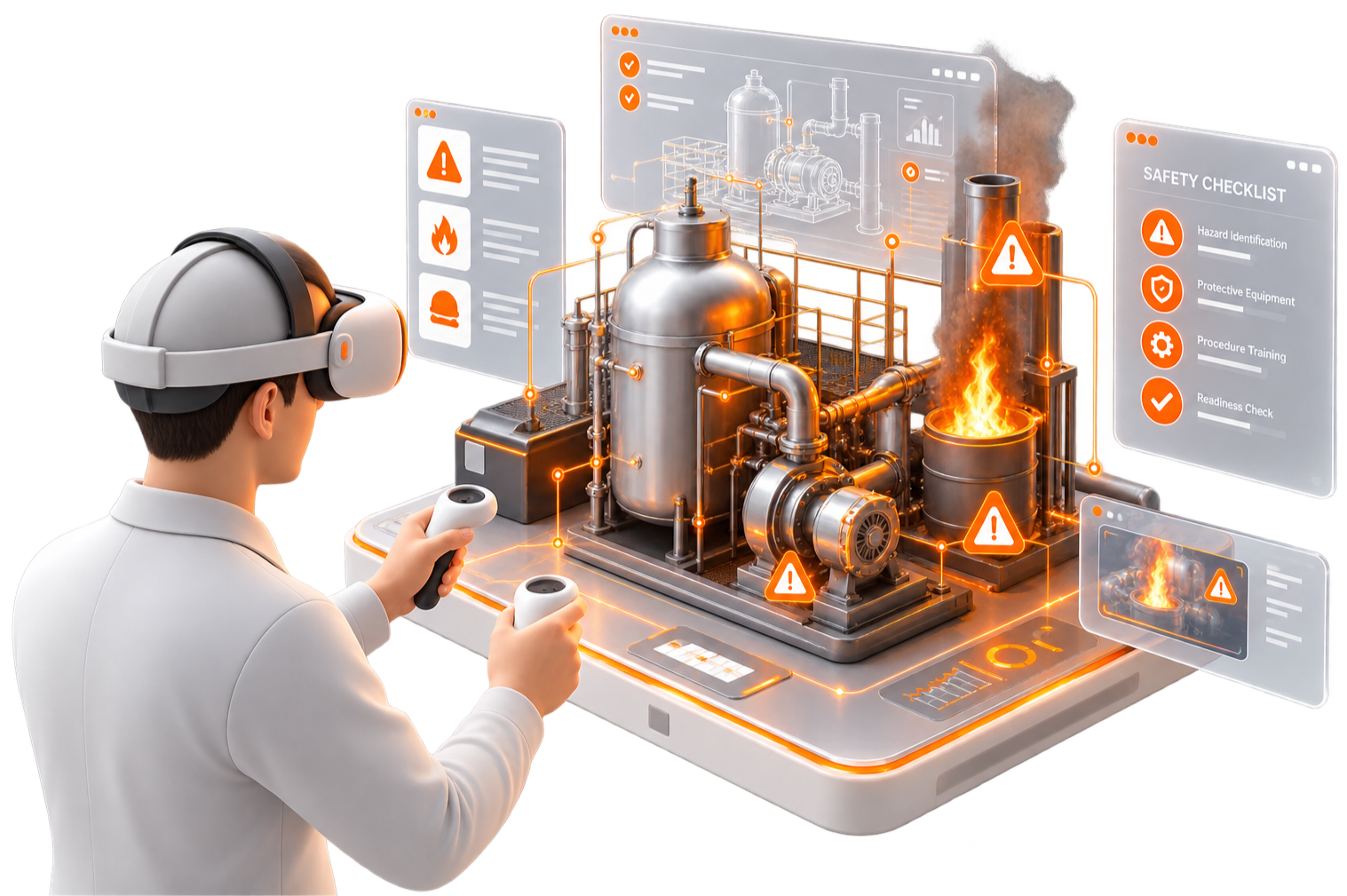
Create interactive environments for equipment training, safety simulations, and complex operational procedures without real-world risks.

Train operators on heavy machinery, hazardous processes, and emergency protocols in a controlled digital space to reduce errors and safety incidents.

Turn complex engineering designs and machinery blueprints into interactive 3D models to accelerate product design reviews and client reviews.

Enable clients and sales teams to configure products, view materials, and explore spatial layouts in immersive environments.

Connect immersive applications to your learning management systems and enterprise databases to track training completion and performance metrics.
Static training, documents, and physical prototypes can create delays, safety risks, and unnecessary costs. Immersive applications use interactive digital environments to make training, visualization, and collaboration more practical and engaging.
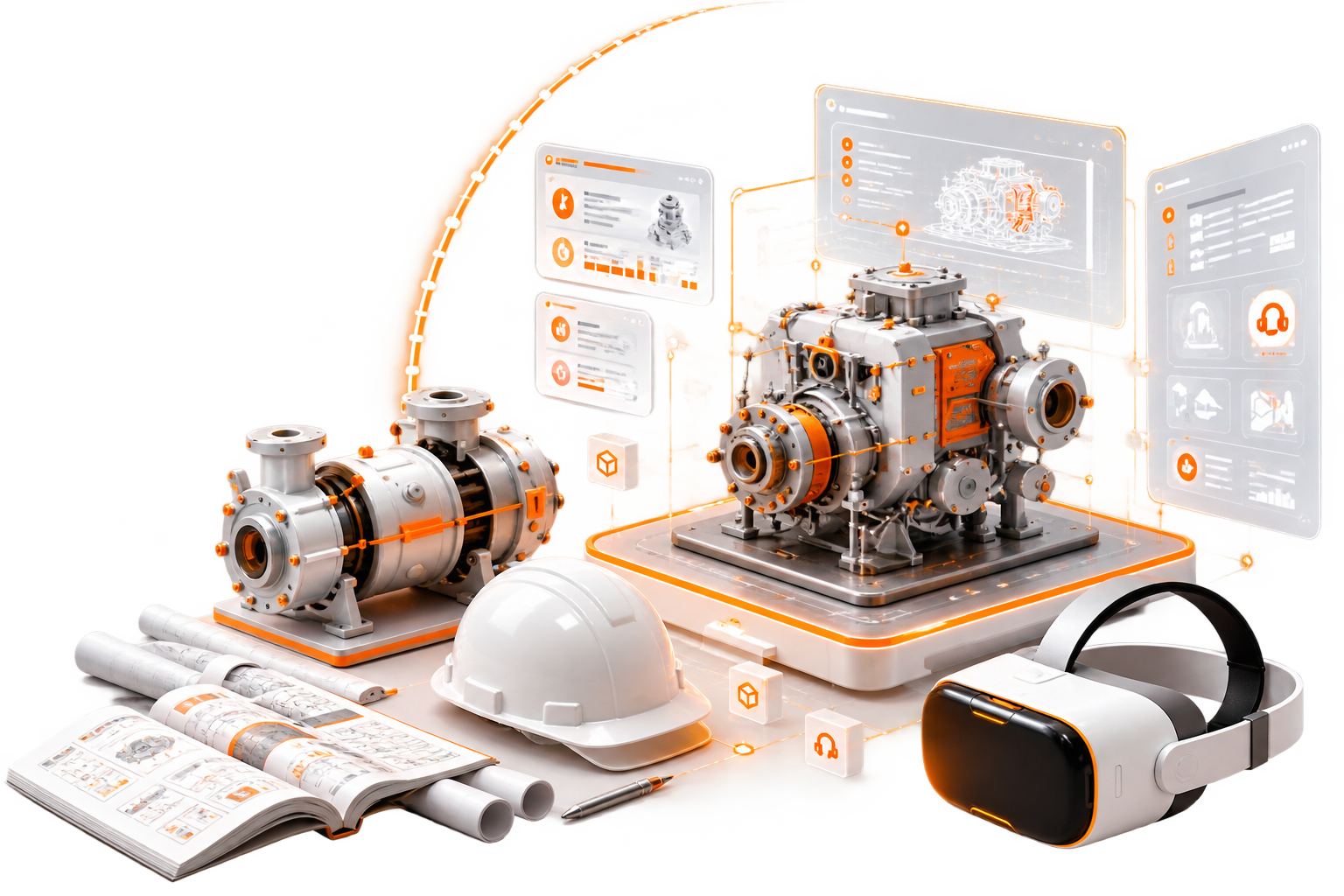
From interactive training to long-term adoption—our immersive technology journey helps organizations unlock safer operations, better collaboration, and smarter business outcomes.
AR and VR turn passive training into hands-on experiences.Teams can practice procedures virtually, view instructions over real equipment, and build practical skills without disrupting live operations.
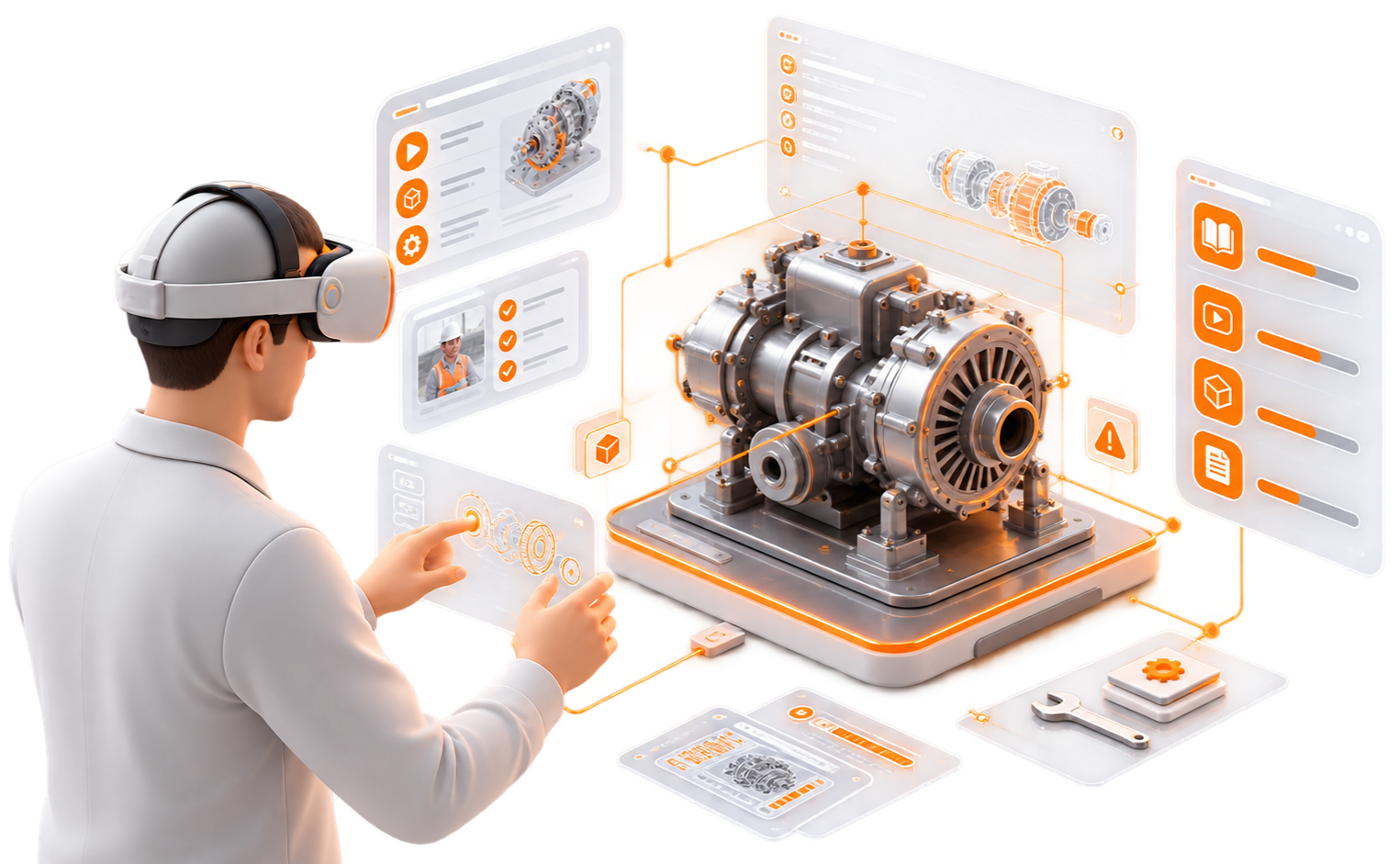
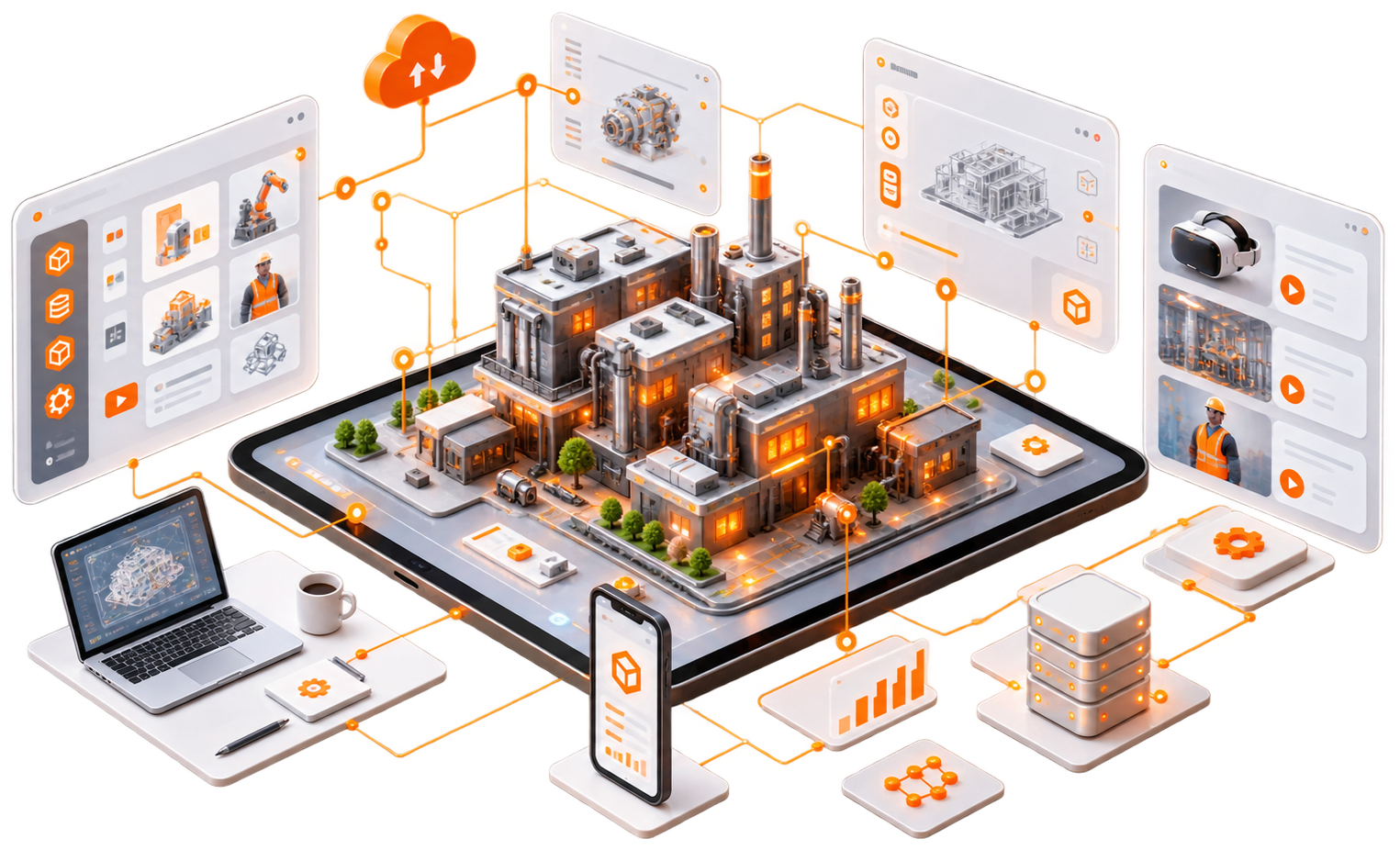
We build AR/VR solutions around specific business needs and connect them with existing software, asset databases, and training platforms. From virtual product experiences to remote collaboration and safety training, we turn physical processes into interactive digital experiences.
VR enables employees to practice complex or hazardous procedures in controlled environments. This improves readiness, reduces training risks, and can lower the costs associated with high-risk training programs.
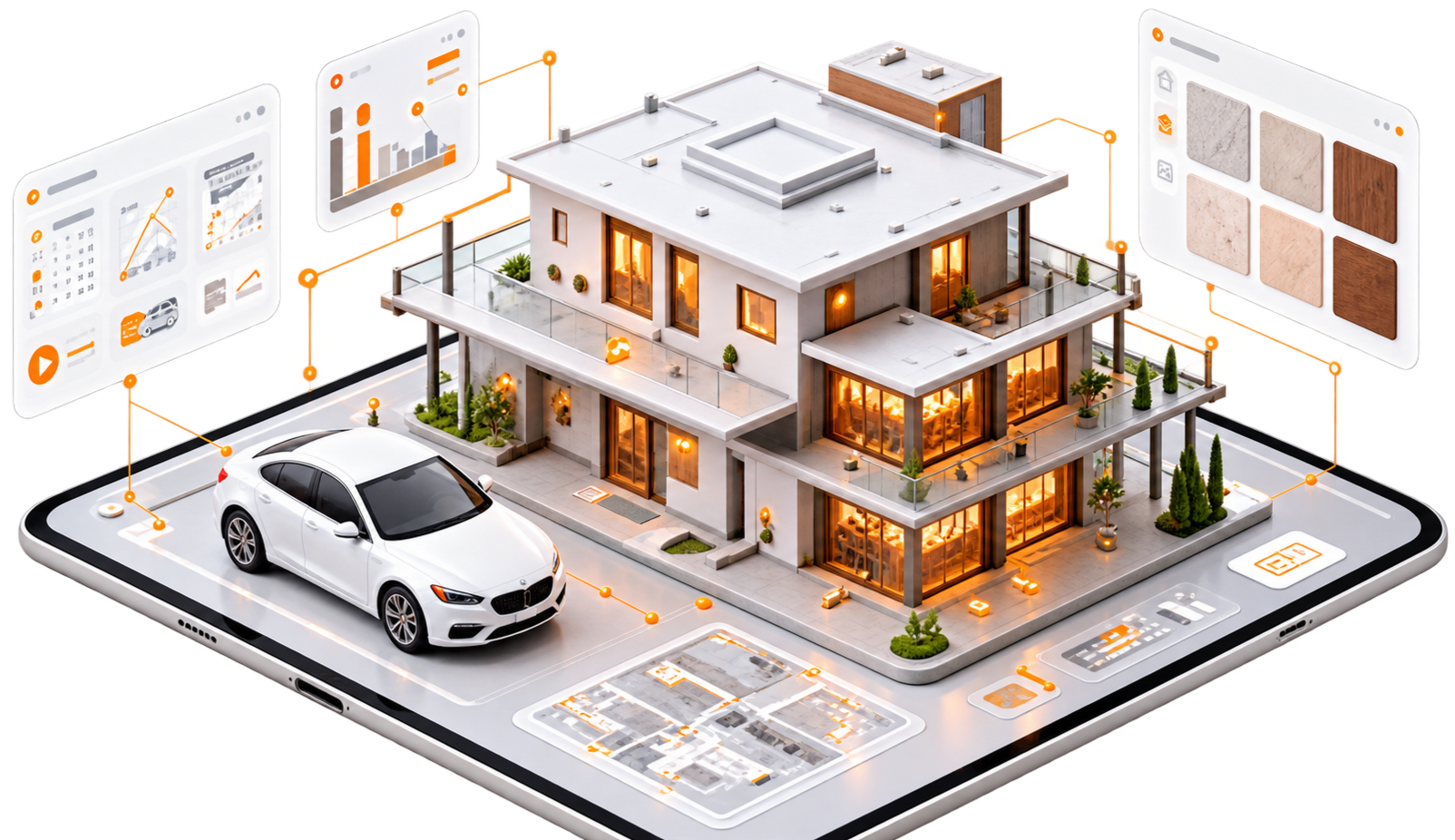
Interactive 3D models help teams and customers explore products, materials, configurations, and spaces without relying on physical prototypes. This speeds design reviews, improves alignment, and reduces development costs.
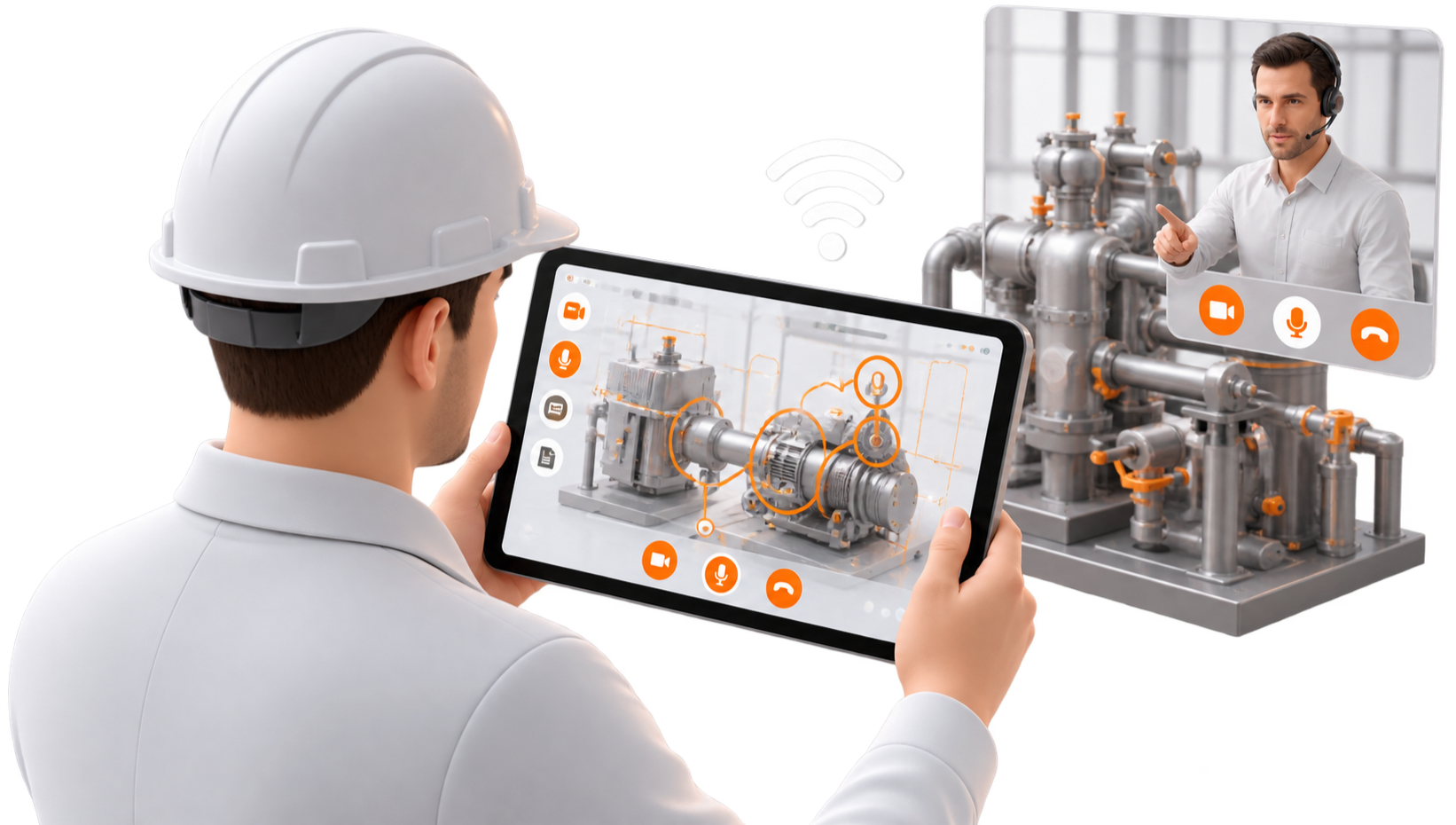
Remote assistance connects field technicians with specialists in real time. Live video, digital markings, and virtual overlays help experts resolve issues remotely, reducing travel and improving response times.
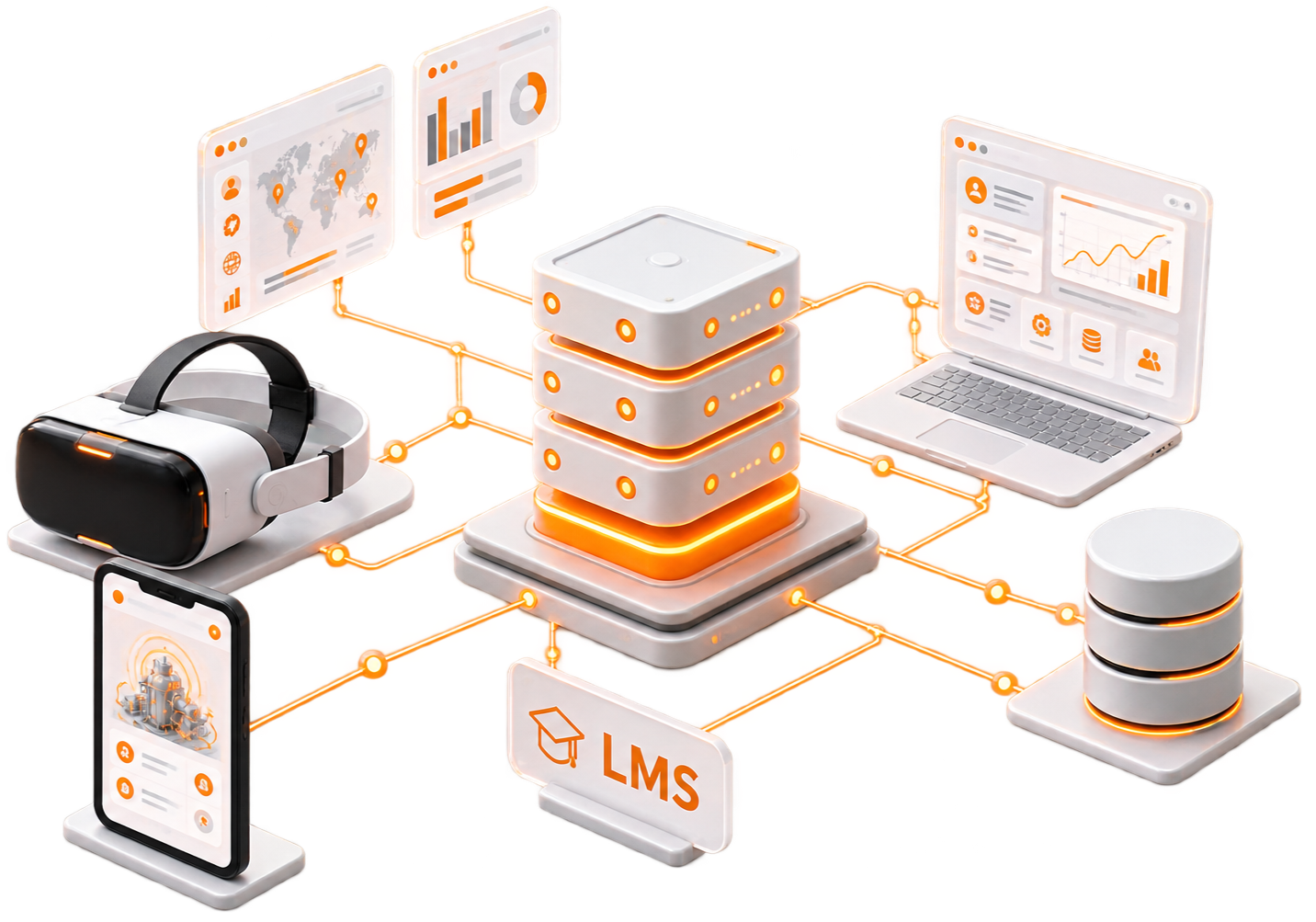
We connect immersive applications across mobile devices, headsets, LMS platforms, and enterprise databases. Training results, user activity, and configurations can be captured automatically for better operational visibility.
We support the full lifecycle—from process planning and experience design to deployment and maintenance. As products, procedures, and hardware evolve, we keep your immersive applications aligned with business needs.
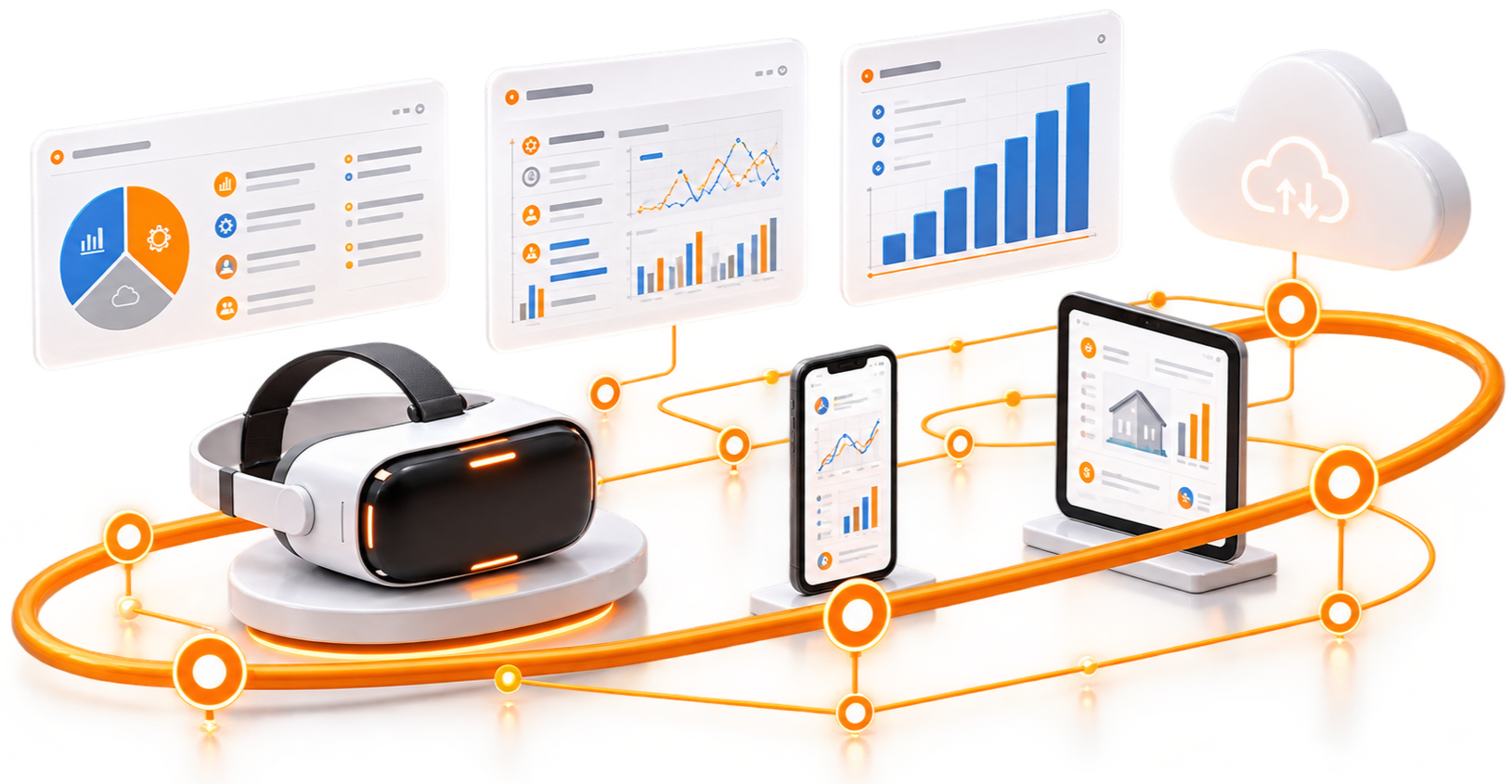
We build immersive systems that integrate into your business operations and training systems, delivering clear returns.
We begin by identifying the operational bottleneck—such as high training costs or assembly errors—ensuring immersive solutions address real business challenges.

We design custom interactions tailored to the compliance, safety, and operational standards of manufacturing, healthcare, and logistics.

We prioritize platform accessibility, building applications that run on existing mobile tablets and phones when expensive headsets are not practical.

We focus on intuitive interfaces and realistic workflows, ensuring that staff can navigate simulations easily without technical confusion.

We construct modular software systems, allowing you to update training modules or add new products without rebuilding the entire application.

We provide ongoing software support, device maintenance assistance, and updates as operating systems and headset hardware models change.
Hear from clients who’ve experienced remarkable transformations with Flipworks Technology.
Working with several word themes and templates the last years only can say this is best in every level use it for my company and the reviews that I have already are all excellent. Not only the design but the code

Working with several word themes and templates the last years only can say this is best in every level use it for my company and the reviews that I have already are all excellent. Not only the design but the code

Working with several word themes and templates the last years only can say this is best in every level use it for my company and the reviews that I have already are all excellent. Not only the design but the code

Working with several word themes and templates the last years only can say this is best in every level use it for my company and the reviews that I have already are all excellent. Not only the design but the code

Working with several word themes and templates the last years only can say this is best in every level use it for my company and the reviews that I have already are all excellent. Not only the design but the code

Working with several word themes and templates the last years only can say this is best in every level use it for my company and the reviews that I have already are all excellent. Not only the design but the code

I’ve tried several templates before, but this one stands out. It offers a perfect balance of aesthetics and performance. My team and I are extremely satisfied with how easy it is to use and customize. Truly a top-notch product!
This theme has exceeded my expectations in every way. The design is elegant, the code is clean, and the support is outstanding. It has helped my business grow, and the feedback from my customers has been overwhelmingly positive!

After using multiple website themes over the years, I can confidently say this is the best. It meets all my expectations in terms of design and functionality. My clients love the seamless experience, and I highly recommend it for anyone looking for quality
Got questions? We've got answers. Navigate the complexities of digital presence with ease.
Book a call with our friendly team to get all your questions and queries answered.
Manufacturing, engineering, healthcare, real estate, and logistics see the highest operational return. Any organization that relies on complex spatial training, manages high-value assets, or needs to present physical configurations to remote clients will benefit from immersive tools.
We evaluate your current training, sales, or design processes to determine if immersive technology is a good fit. If your team frequently makes mistakes in assembly, experiences high travel costs for sales reviews, or spends significant time training on complex machines, then AR or VR is likely to offer a strong return.
The investment depends on the complexity of the 3D assets, the level of interaction, and system integrations. We scope projects modularly, often starting with a focused pilot to validate user adoption and operational benefits before expanding to full-scale development.
Yes. We connect immersive applications to your existing learning management systems (LMS) to log training completion, or to your enterprise database systems to feed configuration choices directly into your ERP.
Not necessarily. Many augmented reality applications are built to run on standard smartphones or tablets that your teams already use. For highly detailed training simulations where physical movement is critical, we design for standard standalone VR headsets that do not require connection to powerful PCs.
A focused pilot or interactive product configurator typically requires twelve to sixteen weeks to develop. Highly complex, multi-user training simulations with deep system integrations can take four to six months.
Yes. Mobile AR is a highly practical solution for field service and sales. We develop cross-platform applications that operate on both iOS and Android tablets, allowing technicians or sales reps to use them in any location.
We apply enterprise-grade encryption and secure access controls to all user data and training records. By hosting solutions on secure cloud platforms or within your private network, we protect your intellectual property and training data.
We build using modular architectures in engines like Unity and Unreal. This means you can add new equipment models, insert additional training steps, or update product configurations in the future without rebuilding the core software.
Immersive applications require updates to remain compatible with new versions of mobile operating systems and headset firmware. We monitor hardware changes and provide updates to ensure your software continues to run smoothly.
Yes. We provide structured ongoing support contracts that cover technical troubleshooting, performance optimization, device updates, and content additions as your business processes change.
We start with a brief assessment of your training or visualization processes. We identify the highest-impact areas, outline a user experience flow, and design a project roadmap with clear costs and deliverables for your review.
Have a project in mind? Contact us for expert design and development solutions. Let's discuss how we can help grow your business.