
Business-First Consulting
Every cloud recommendation we make is grounded in your operational requirements, not in platform preferences or provider incentives. The right cloud strategy is the one that matches your actual business situation.
Strategic cloud advisory that helps your organization build the right infrastructure foundation—reducing operational costs, improving reliability, and creating the technical capacity to scale with your business.
Structured consulting that ensures your cloud investment produces the operational outcomes your business actually needs.

A structured assessment of your business requirements and current infrastructure that produces a prioritized, phased cloud adoption plan aligned to your operational objectives and financial constraints.

Expert guidance through the complexity of migrating applications, data, and workloads to cloud infrastructure—minimizing business disruption and ensuring the new environment performs better than the one it replaced.

A thorough audit of your current environment that identifies migration candidates, highlights applications requiring refactoring, and surfaces hidden dependencies that could disrupt a poorly planned transition.

Systematic review and restructuring of your cloud environment to eliminate wasteful provisioning, right-size resources, and ensure your infrastructure spend is producing proportionate operational value.

Deliberate design of your cloud security architecture, access controls, network segmentation, and compliance posture—protecting sensitive business data and meeting the regulatory requirements of your industry.

Tested recovery architectures with defined objectives that ensure your business can restore critical systems rapidly when unexpected infrastructure failures occur—well before the moment you need to rely on them.
Cloud adoption is more than choosing a provider. The right workloads, migration sequence, security architecture, and governance must be planned carefully to avoid unnecessary costs, performance issues, and new risks.

We guide your cloud journey through a connected process—aligning goals, assessing readiness, strengthening security, and planning recovery.

We align cloud decisions with your operational needs, financial goals, and growth plans—starting with the business problems the cloud should solve.

We assess your infrastructure, applications, dependencies, data, and performance requirements to identify migration-ready workloads, systems that need refactoring, and workloads better suited to remain on-premise.
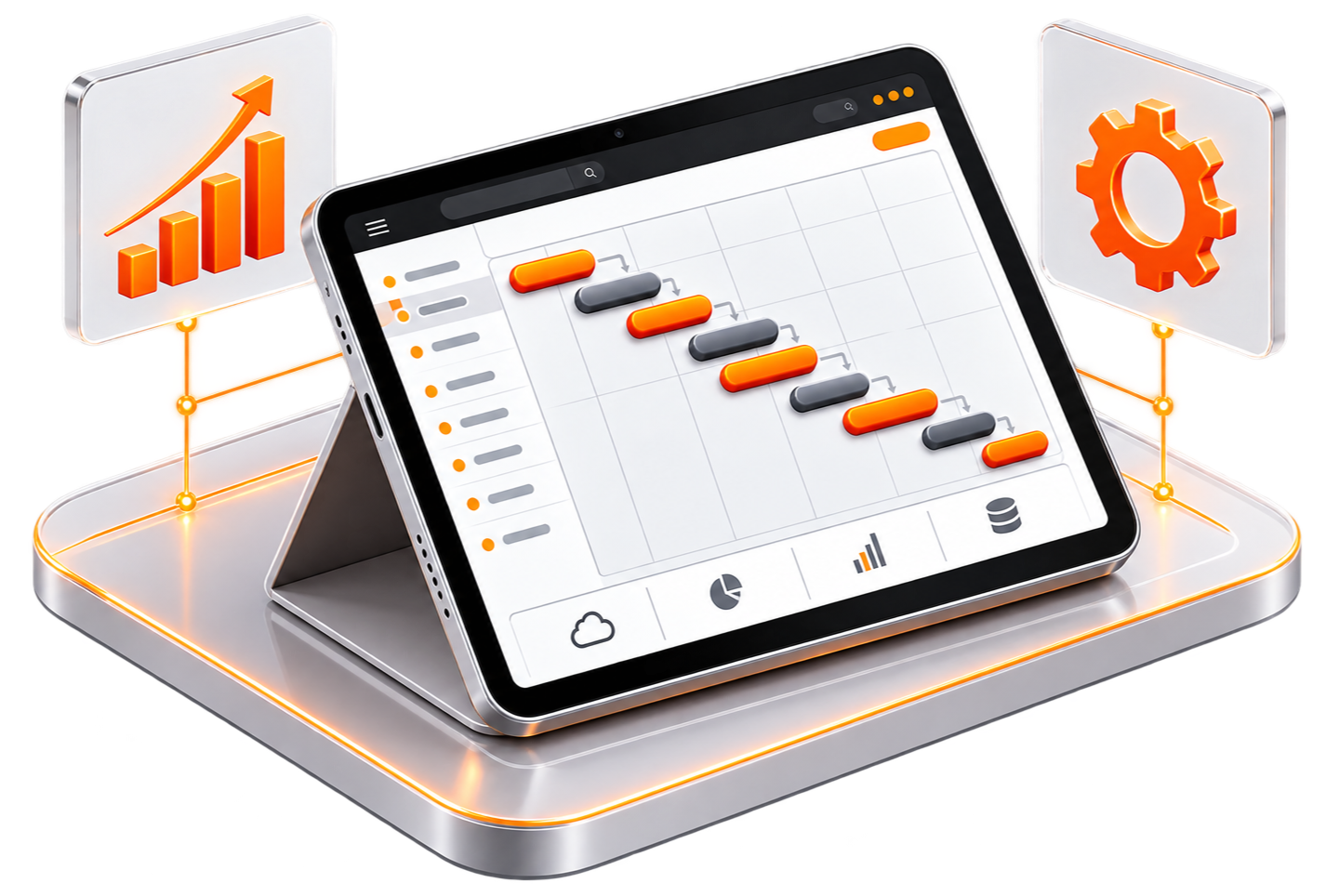
Our Cloud Strategy and Roadmap plans migration phases for early value and controlled risk, while Cloud Cost Optimization identifies unnecessary spending and improves infrastructure efficiency.
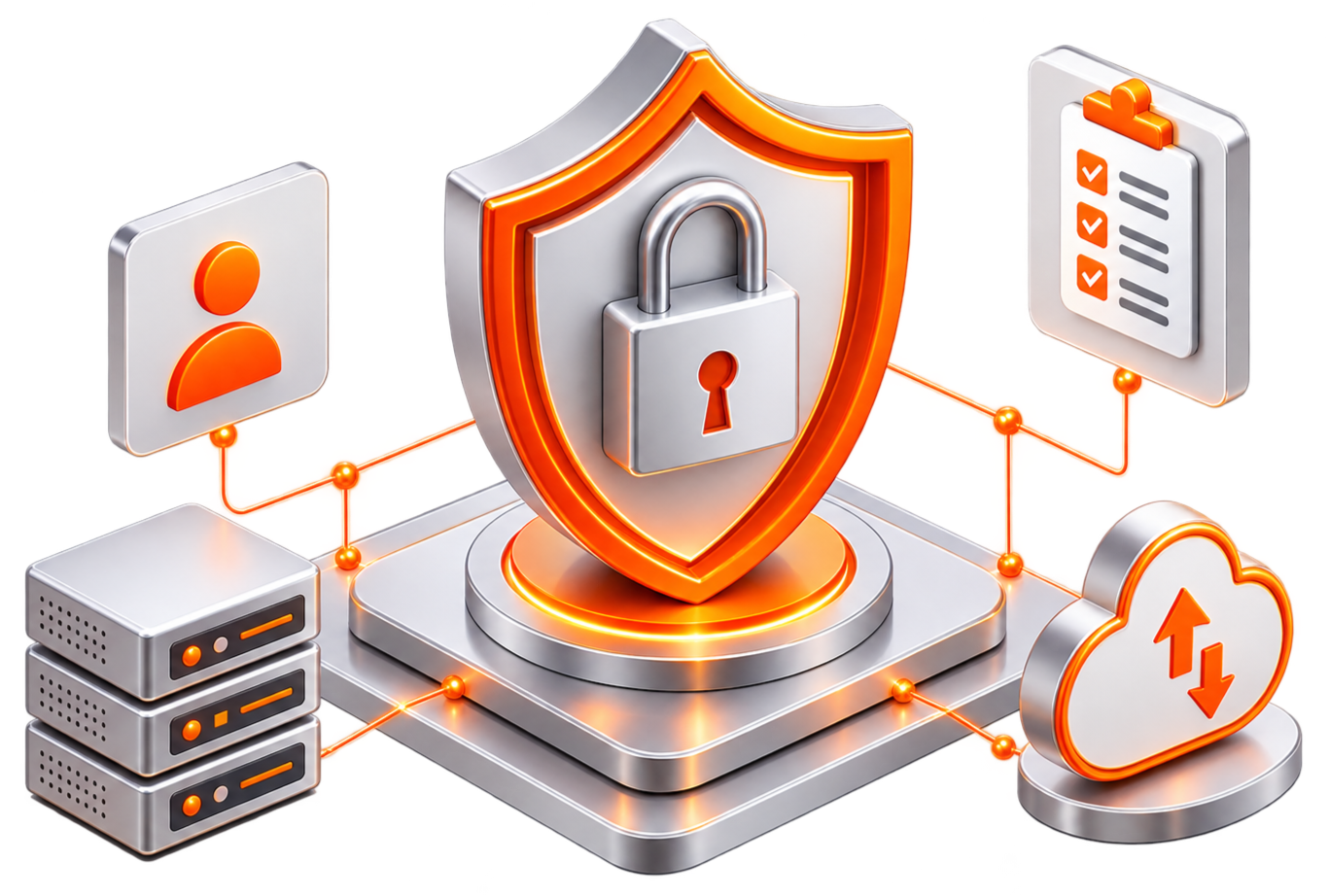
We design access controls, network segmentation, encryption, and audit processes around your security and compliance requirements, including the needs of regulated industries.
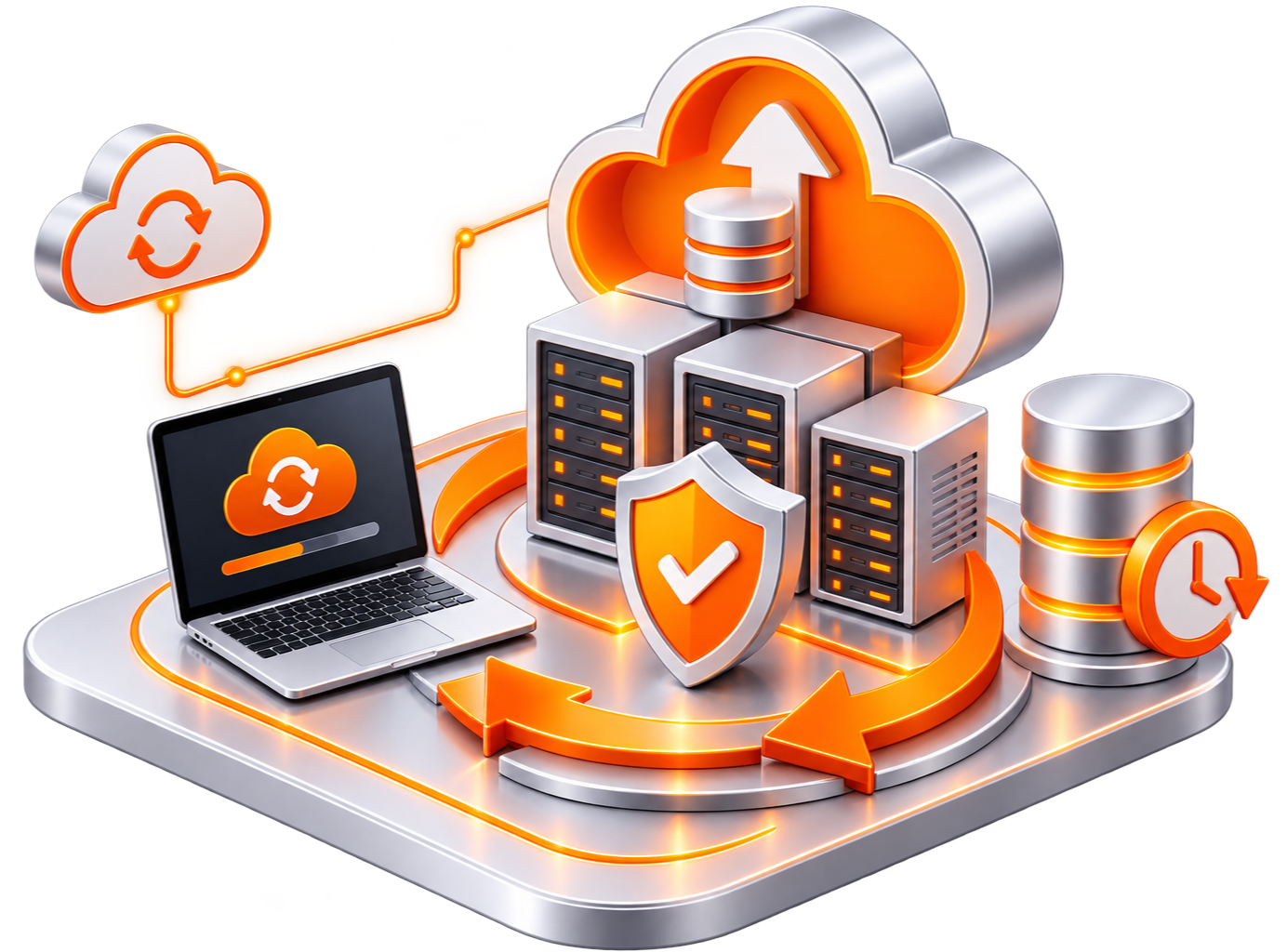
We design and test recovery architectures around defined recovery time and recovery point objectives, helping your business restore critical systems when failures occur.
Our recommendations are based on your requirements—not a specific provider. We evaluate public, hybrid, and multi-cloud approaches to identify the strategy that best fits your business.
We ask about your operations before we discuss cloud platforms.
Every cloud recommendation we make is grounded in your operational requirements, not in platform preferences or provider incentives. The right cloud strategy is the one that matches your actual business situation.

We have no commercial dependency on any cloud provider. Our recommendations are based entirely on which platform, architecture, and approach will produce the best outcomes for your organization.

We treat security as a foundational design principle rather than a compliance checkbox. Every cloud architecture we recommend is designed with access controls, encryption, and monitoring built in from the start.

We design infrastructure that grows with your business—without requiring structural rebuilds every time your requirements expand. Scaling should be an operational event, not an engineering project.

Our consulting recommendations are grounded in direct implementation experience. We understand the operational realities of cloud migration and DevOps adoption because we have managed them in complex environments.

Cloud environments require ongoing stewardship. We maintain active advisory relationships that evolve your infrastructure as your business requirements, workload volumes, and technology landscape change.
Hear from clients who’ve experienced remarkable transformations with Flipworks Technology.
Working with several word themes and templates the last years only can say this is best in every level use it for my company and the reviews that I have already are all excellent. Not only the design but the code

Working with several word themes and templates the last years only can say this is best in every level use it for my company and the reviews that I have already are all excellent. Not only the design but the code

Working with several word themes and templates the last years only can say this is best in every level use it for my company and the reviews that I have already are all excellent. Not only the design but the code

Working with several word themes and templates the last years only can say this is best in every level use it for my company and the reviews that I have already are all excellent. Not only the design but the code

Working with several word themes and templates the last years only can say this is best in every level use it for my company and the reviews that I have already are all excellent. Not only the design but the code

Working with several word themes and templates the last years only can say this is best in every level use it for my company and the reviews that I have already are all excellent. Not only the design but the code

I’ve tried several templates before, but this one stands out. It offers a perfect balance of aesthetics and performance. My team and I are extremely satisfied with how easy it is to use and customize. Truly a top-notch product!

This theme has exceeded my expectations in every way. The design is elegant, the code is clean, and the support is outstanding. It has helped my business grow, and the feedback from my customers has been overwhelmingly positive!

After using multiple website themes over the years, I can confidently say this is the best. It meets all my expectations in terms of design and functionality. My clients love the seamless experience, and I highly recommend it for anyone looking for quality
Got questions? We've got answers. Navigate the complexities of digital presence with ease.
Book a call with our friendly team to get all your questions and queries answered.
For most organizations, yes—but the specifics depend on your workload profile, budget structure, compliance requirements, and growth trajectory. Cloud is particularly well-suited to businesses with variable demand patterns, distributed teams, or applications that need to scale quickly. We conduct a readiness assessment before making any recommendation.
The right platform depends on your existing technology investments, specific workload requirements, geographic data residency obligations, and the tools your teams already use. AWS, Azure, and Google Cloud each have distinct strengths. We evaluate your situation without any commercial preference and recommend accordingly.
Migration costs are driven by your application portfolio size, the level of refactoring required, data transfer volumes, and the complexity of existing integrations. We provide transparent, detailed cost projections as part of the strategy phase before any migration work begins.
Often, yes—but it requires deliberate architecture decisions to achieve. Cloud costs are elastic, which means they can also grow without discipline. Organizations that migrate thoughtfully and review their cloud consumption regularly consistently operate more efficiently than they did on-premise. Those that migrate without optimization planning frequently spend more.
Major cloud platforms invest more in physical security, redundancy, and compliance certification than most organizations could sustain independently. However, cloud security requires deliberate configuration. The shared responsibility model means the cloud provider secures the infrastructure, while you are responsible for securing what runs on it. We design that configuration correctly from the outset.
Yes. Cloud migrations are executed in phases, and existing systems remain fully operational until each migrated workload has been validated in the new environment. Production cutover happens only after thorough staging verification.
A focused migration of a limited application set can be completed in eight to twelve weeks. A comprehensive enterprise migration involving dozens of interdependent applications, compliance requirements, and legacy system dependencies typically spans six to twelve months in structured phases.
Migration is the beginning of cloud operations, not the end. Post-migration, the environment requires active monitoring, ongoing cost optimization, security configuration reviews, and periodic architectural assessments. We structure long-term managed services specifically for this operational phase.
Yes, and for many organizations it is the right approach—particularly where specific workloads have regulatory, latency, or security requirements that make full cloud migration impractical. Hybrid architectures retain on-premise infrastructure where it makes sense while using cloud platforms where they add the most value.
Vendor lock-in is a legitimate strategic concern. We design architectures using portable, open standards wherever practical and avoid deeply proprietary services unless the business benefit clearly outweighs the dependency risk. For organizations with high sensitivity to vendor lock-in, a multi-cloud strategy can provide additional flexibility.
Significantly. Cloud platforms enable recovery architectures that restore critical systems within minutes of an unexpected failure—compared to the hours or days required by traditional on-premise recovery approaches. We design and test these architectures against your actual recovery time requirements before you need to rely on them.
We begin with a structured infrastructure and business requirements assessment. This maps your current environment, identifies the operational objectives driving the initiative, and surfaces the workloads best suited for early migration. The output is a prioritized cloud roadmap that your leadership can review and refine before any implementation begins.
Have a project in mind? Contact us for expert design and development solutions. Let's discuss how we can help grow your business.