
Business-First Consulting
We analyze your operational performance and business priorities before making any technology recommendations, ensuring transformation addresses the problems that are actually limiting your growth.
Move your organization from fragmented, manual operations to a connected, data-driven model that supports confident decision-making and sustainable growth.
Practical strategies that address the specific processes and systems limiting your organization's growth.

Structured assessment of your current operational model, identifying the highest-priority transformation opportunities and building a phased roadmap aligned to your business objectives.

Systematic redesign and digitization of the manual, fragmented workflows that slow approvals, increase errors, and prevent your teams from operating at the pace your business requires.

Strategic upgrading of aging software that limits integration, performance, and scalability—restoring operational flexibility without forcing the immediate replacement of systems your business depends on.

Targeted automation of repetitive operational tasks that consume professional time and produce inconsistent results, replacing manual effort with reliable, auditable, scalable execution.

Comprehensive, cross-functional modernization programs that address process, technology, and organizational alignment across multiple business units simultaneously.

Redesigning the digital touchpoints and operational processes that shape customer interactions—ensuring internal improvements translate into faster, more consistent, and more satisfying customer experiences.
Many organizations invest in new technology yet continue to face manual approvals, spreadsheets, disconnected departments, and inconsistent data. Technology changes, but the underlying operation does not.
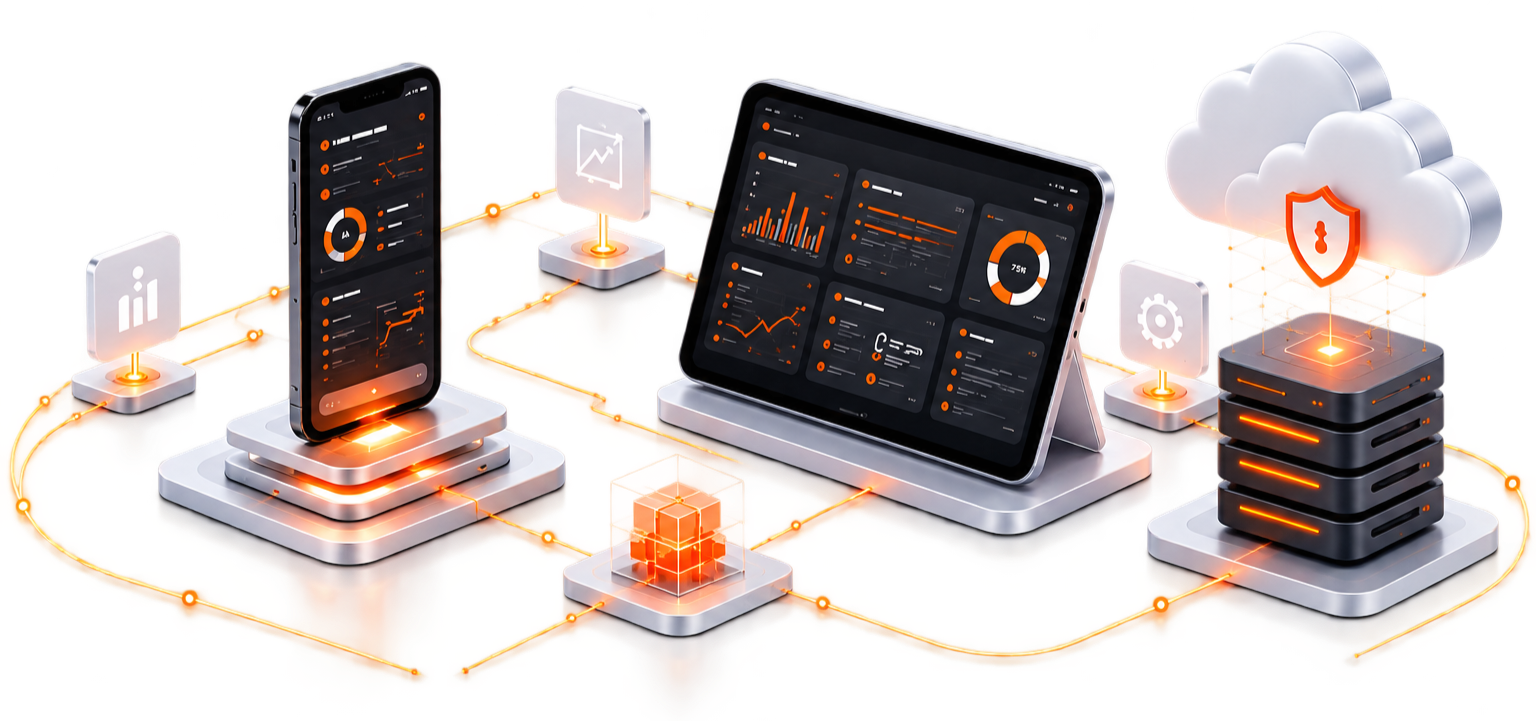
A proven, step-by-step approach that helps organizations modernize operations, leverage data, and achieve measurable business outcomes.
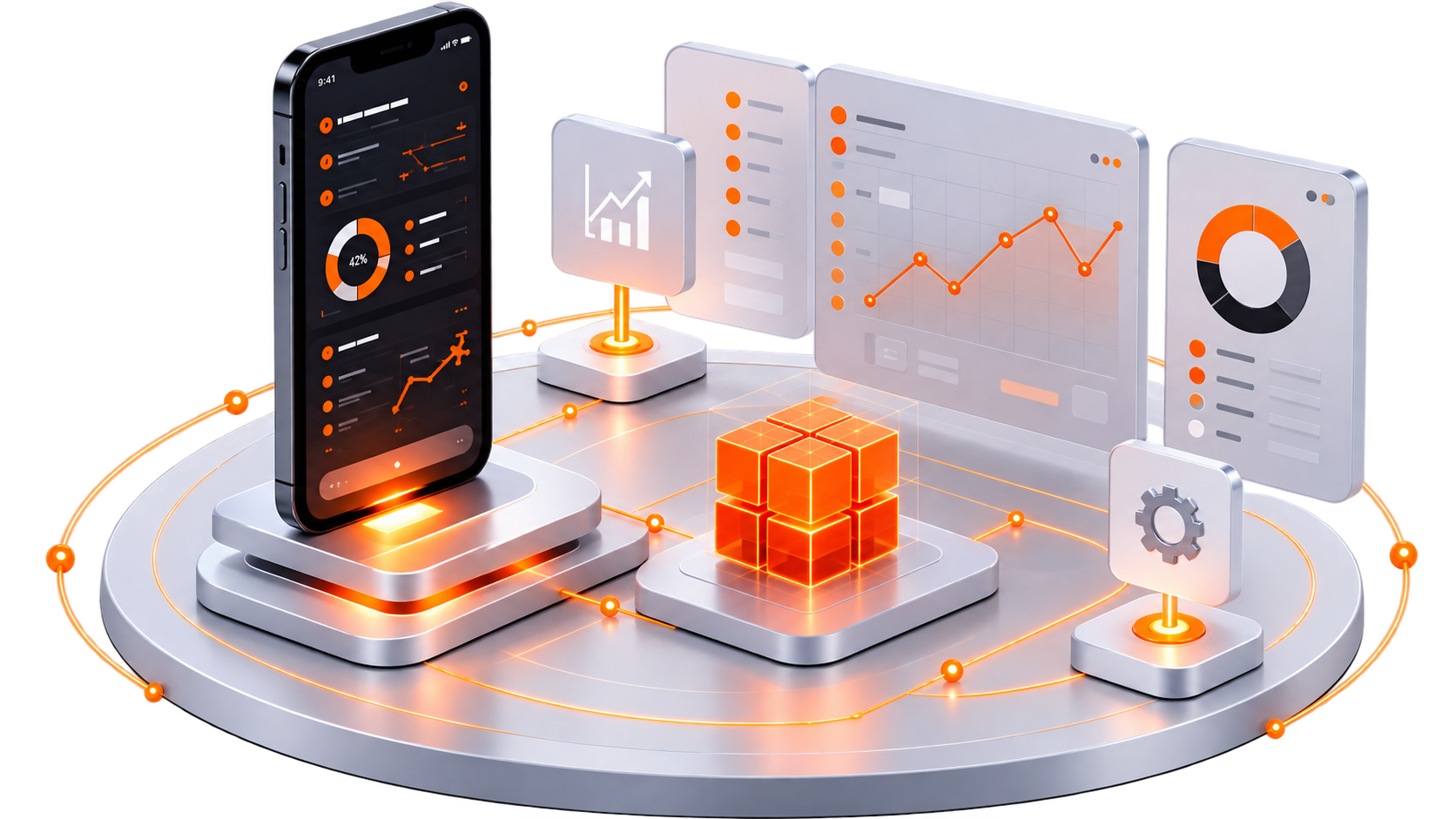
Digital transformation is a business strategy supported by technology. Real change comes from redesigning processes, aligning teams, and applying the right solutions to measurable operational challenges.
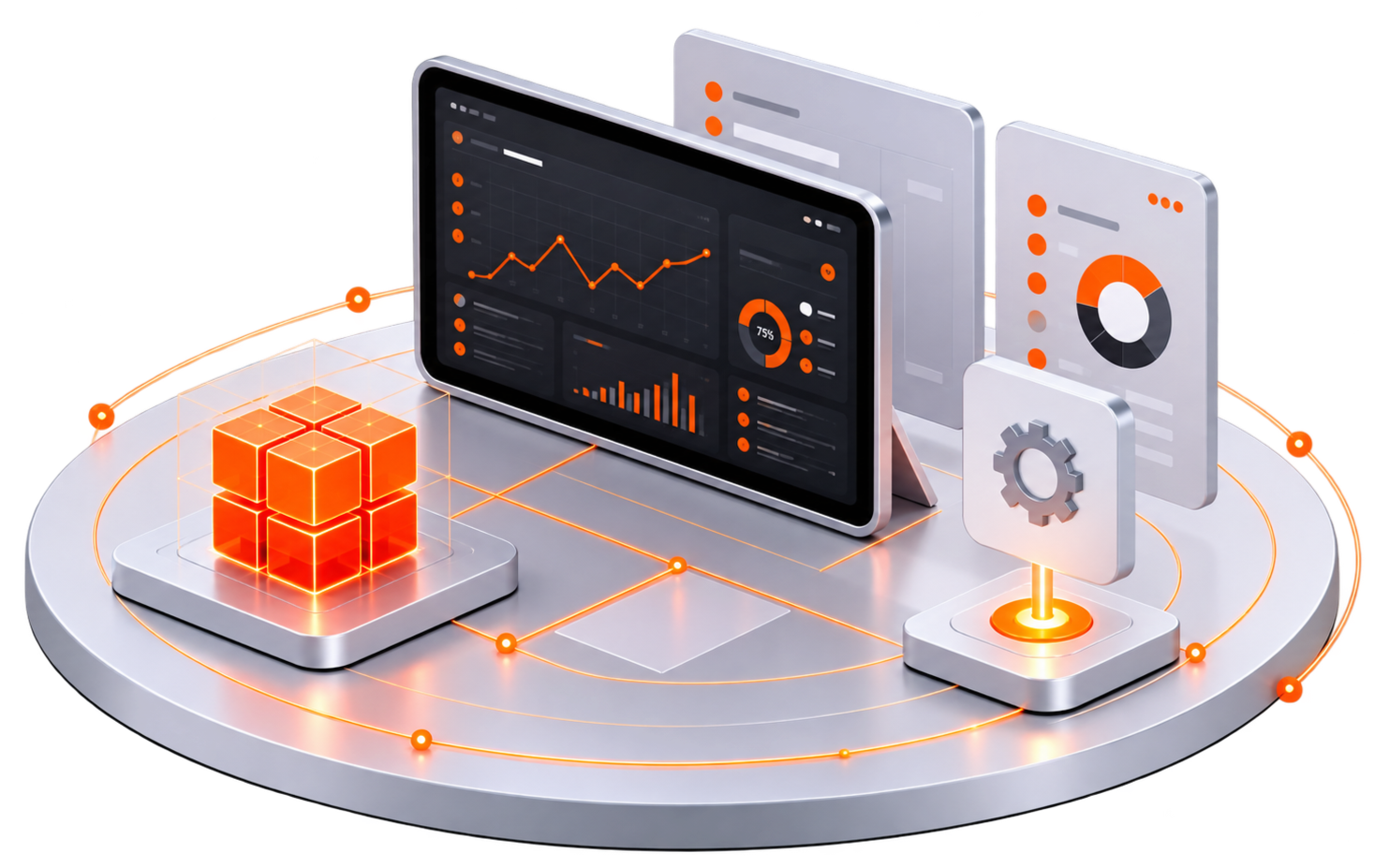
Transformation does not mean replacing everything. We identify where existing systems and processes create the greatest cost, risk, or inefficiency, then improve those areas while protecting what already works.
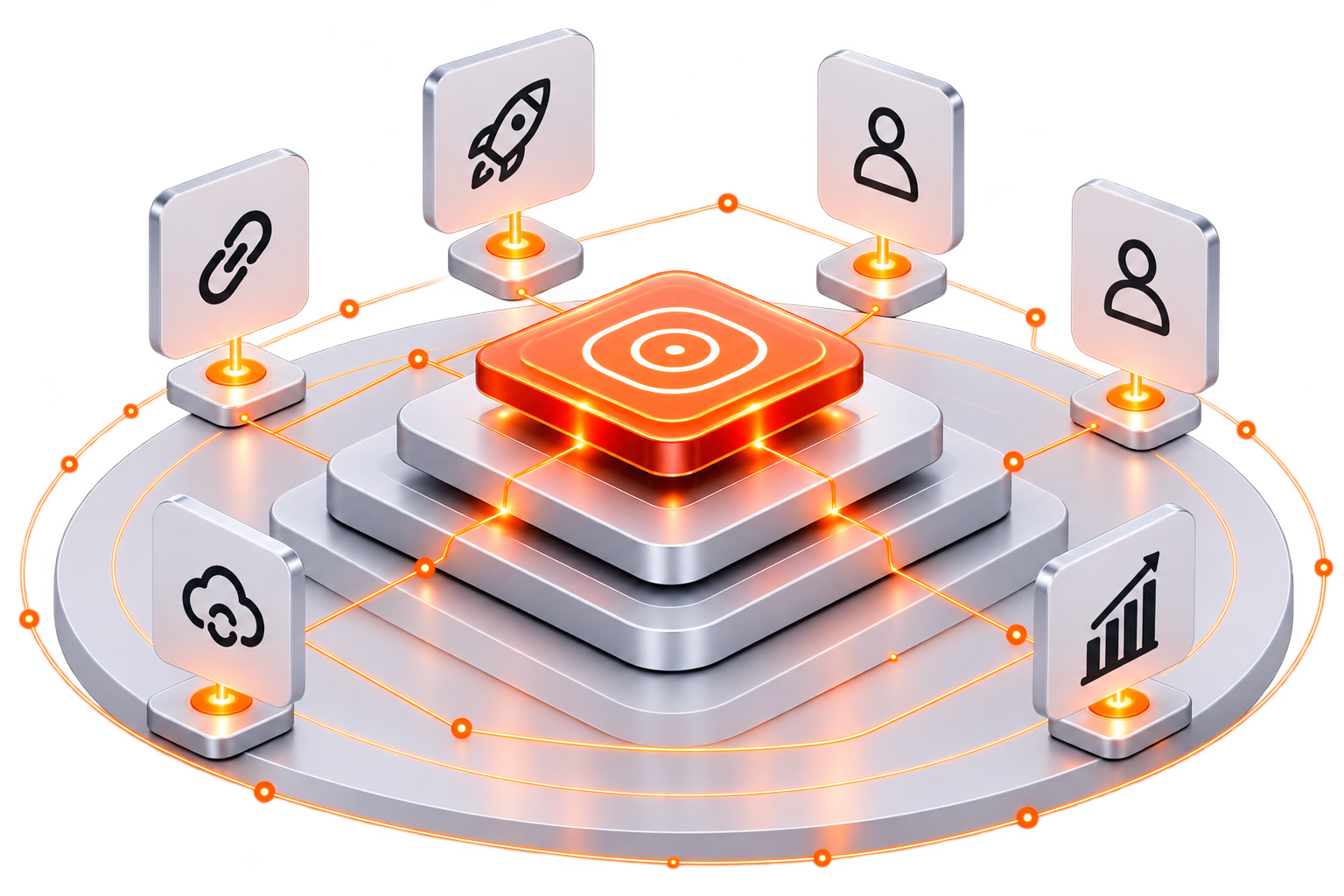
Our approach combines Business Process Modernization, Legacy System Modernization, Intelligent Business Automation, Enterprise Integration, and Customer Experience Transformation to create more connected and efficient operations.
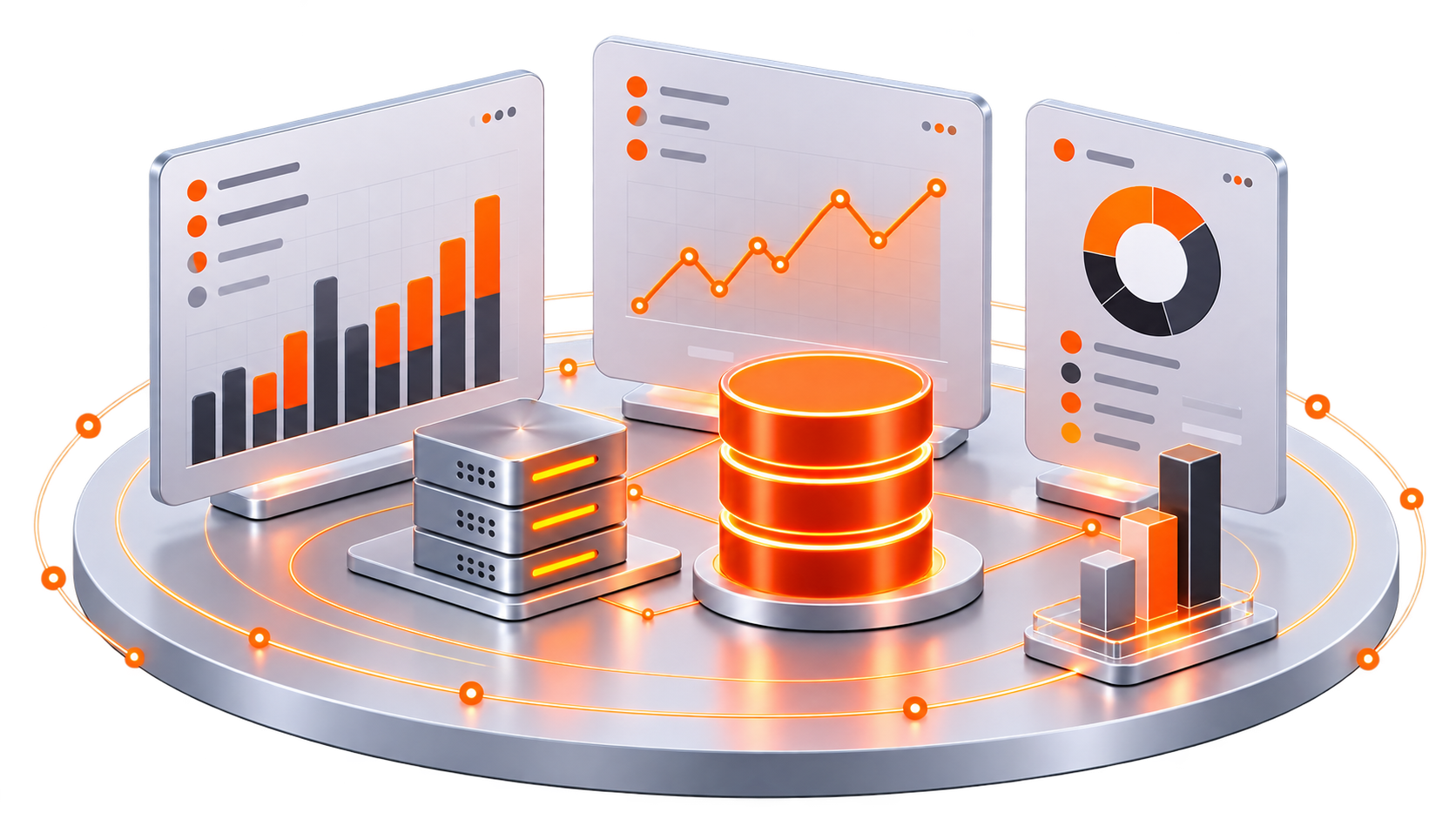
We build data foundations that give leadership real-time operational visibility, helping teams identify trends, address problems early, and make decisions based on current information.
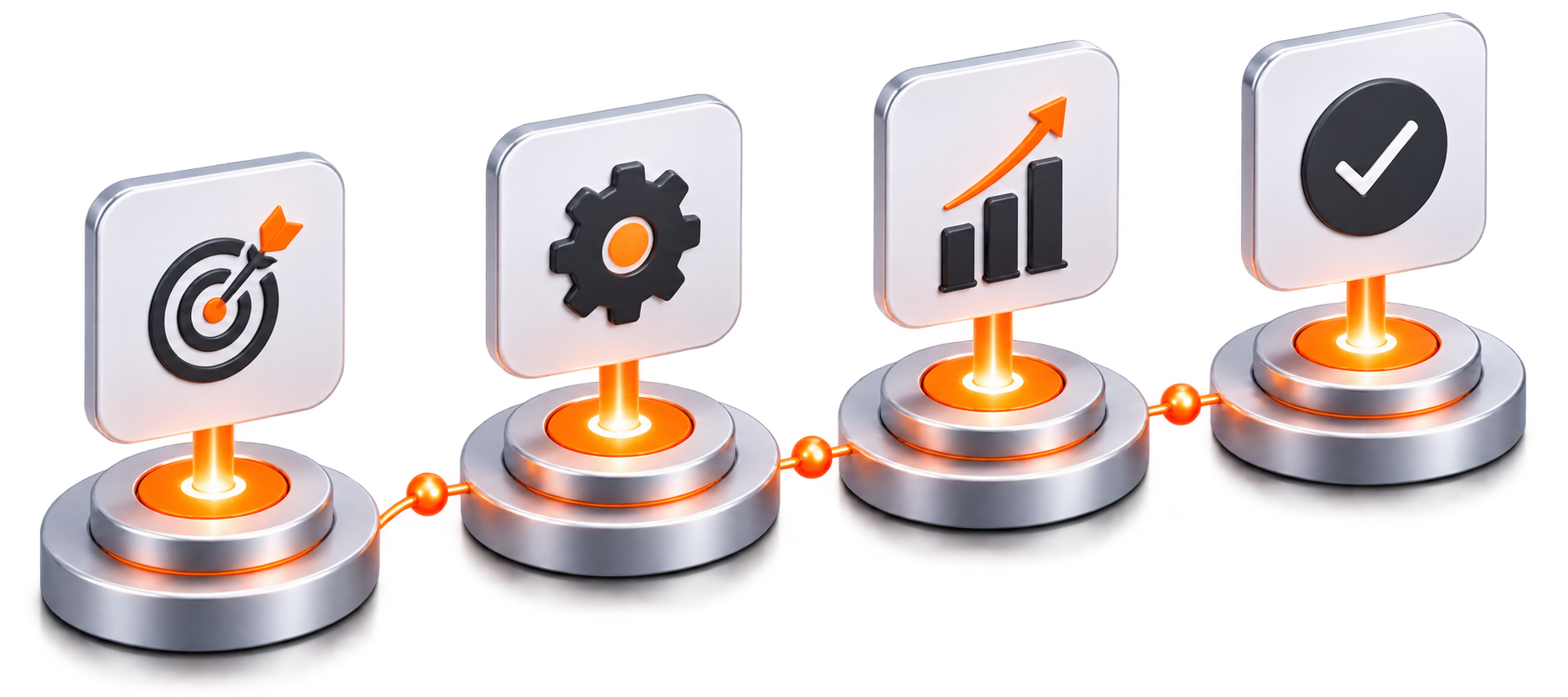
We deliver transformation in practical phases based on your priorities, creating value throughout the journey while supporting adoption and minimizing disruption.

Success is measured by business results—not systems deployed. We focus on time saved, errors reduced, better customer experiences, and greater confidence in operational decision-making.
We focus on your business outcomes before we discuss technology.
We analyze your operational performance and business priorities before making any technology recommendations, ensuring transformation addresses the problems that are actually limiting your growth.

We do not sell transformation as a concept. We define specific operational improvements, set measurable targets, and build the technology infrastructure required to achieve them.

Transformation requirements differ significantly by sector. Our experience across logistics, manufacturing, professional services, healthcare, and retail informs every engagement with practical, relevant operational context.

We establish clear success criteria at the outset of every engagement, defining the operational metrics we will improve and measuring actual results against those targets throughout the program.

Business environments do not stand still, and transformation does not end at go-live. We maintain active consulting relationships that ensure your digital infrastructure evolves alongside your business strategy.

We design transformation programs that deliver immediate value while building the foundation for future expansion—ensuring today's investment supports the scale, complexity, and requirements of tomorrow.
Hear from clients who’ve experienced remarkable transformations with Flipworks Technology.
Working with several word themes and templates the last years only can say this is best in every level use it for my company and the reviews that I have already are all excellent. Not only the design but the code

Working with several word themes and templates the last years only can say this is best in every level use it for my company and the reviews that I have already are all excellent. Not only the design but the code

Working with several word themes and templates the last years only can say this is best in every level use it for my company and the reviews that I have already are all excellent. Not only the design but the code

Working with several word themes and templates the last years only can say this is best in every level use it for my company and the reviews that I have already are all excellent. Not only the design but the code

Working with several word themes and templates the last years only can say this is best in every level use it for my company and the reviews that I have already are all excellent. Not only the design but the code

Working with several word themes and templates the last years only can say this is best in every level use it for my company and the reviews that I have already are all excellent. Not only the design but the code

I’ve tried several templates before, but this one stands out. It offers a perfect balance of aesthetics and performance. My team and I are extremely satisfied with how easy it is to use and customize. Truly a top-notch product!

This theme has exceeded my expectations in every way. The design is elegant, the code is clean, and the support is outstanding. It has helped my business grow, and the feedback from my customers has been overwhelmingly positive!

After using multiple website themes over the years, I can confidently say this is the best. It meets all my expectations in terms of design and functionality. My clients love the seamless experience, and I highly recommend it for anyone looking for quality
Got questions? We've got answers. Navigate the complexities of digital presence with ease.
Book a call with our friendly team to get all your questions and queries answered.
Digital transformation is the process of changing how your business operates by replacing manual processes, connecting disconnected systems, and applying technology strategically to specific operational challenges. It is a business strategy, not a technology project. The goal is measurable improvement in efficiency, customer experience, decision-making quality, and the organization's capacity to scale.
No. The principles apply regardless of organization size. In fact, mid-market and growing businesses often see the most significant returns because the operational friction caused by manual processes and disconnected systems consumes a proportionally larger share of their resources. Transformation at this scale tends to be faster, more focused, and highly practical.
Begin where operational pain is highest. That might be the approval process that takes a week when it should take a day, the monthly report that requires three days of manual compilation, or the customer experience that consistently generates complaints. A structured operational assessment identifies these pressure points and prioritizes them by business impact.
It depends entirely on scope. Targeted process improvements can deliver measurable results within three to four months. A multi-functional enterprise transformation program might span twelve to eighteen months in phased stages, with each phase delivering value as it completes rather than waiting for the full program to conclude.
Investment is driven by the scope of the operational challenges being addressed, the number of systems involved, and the complexity of required process redesign. We provide clear, phased investment projections aligned with the business value each phase delivers—ensuring your leadership team can evaluate the return before committing to the full program.
Rarely. Most transformation engagements work with, around, and through existing systems rather than replacing them wholesale. Legacy systems that still perform their core function reliably are often connected and extended rather than discarded. Replacement is only recommended when a system is actively preventing the improvement your business needs.
Yes, and in most cases, a phased approach is the right one. It reduces organizational disruption, allows teams to adapt progressively, delivers early business value that builds confidence, and limits the risk associated with large-scale simultaneous change. We design transformation roadmaps with deliberate phasing built in.
Change management is as important as the technical implementation. We involve frontline employees and department leaders in the design process, which produces better systems and significantly higher adoption rates. Technology that your team does not use does not transform anything—so practical, user-centered design is fundamental to every engagement.
We define clear, operational success metrics at the outset—processing time per task, error rates, approval cycle duration, customer satisfaction scores, and administrative labor costs. These baselines are measured consistently throughout the program so that improvements are quantifiable rather than subjective.
Security is a design principle, not an afterthought. Every system connection, automation, and data flow we implement is built with encrypted transmission, access controls, and audit logging. For organizations in regulated industries, we align all implementations with the relevant compliance standards from the beginning of the engagement.
Organizations in logistics, manufacturing, professional services, healthcare, retail, and financial services consistently see the strongest returns—particularly where high-volume manual processes, legacy system dependencies, and multi-department coordination create the greatest operational friction. The specific benefits differ by sector, but the underlying patterns are consistent.
Because we approach transformation as a consulting problem before it becomes a technology project. We start with your business operations, not with software. We define measurable outcomes before we build anything. And we remain engaged after deployment—as a long-term partner responsible for the ongoing performance of the systems and processes we help you build.
Have a project in mind? Contact us for expert design and development solutions. Let's discuss how we can help grow your business.