Infrastructure Management

Proactive management of your technology infrastructure that keeps applications running reliably, protects against security threats, and gives your business the operational continuity to grow without infrastructure limiting the pace.

Infrastructure Services

Reliable Infrastructure, Built to Support Your Operations

Proactive management that prevents problems before they reach your users and keeps your business running at capacity.

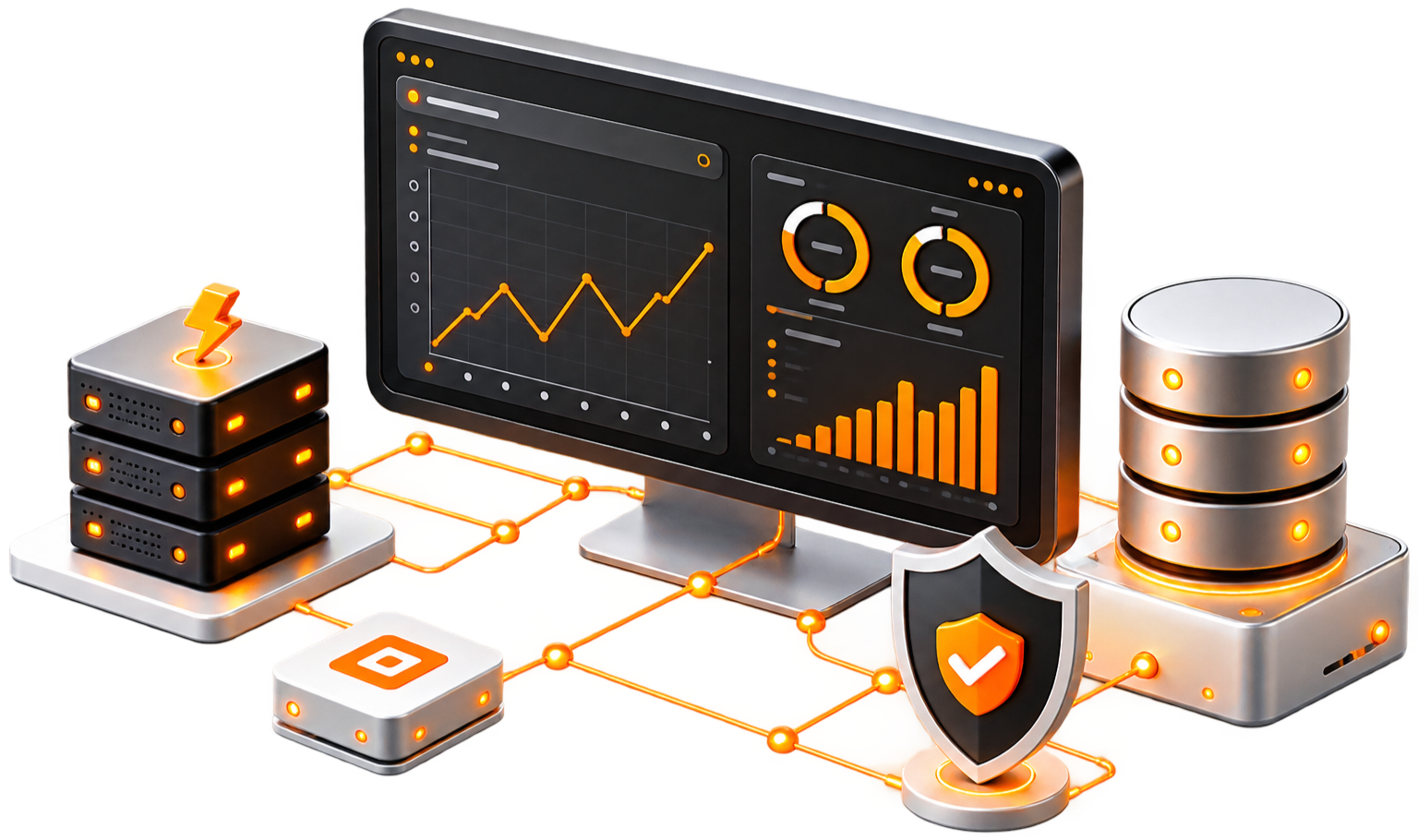
Infrastructure Monitoring

Real-time visibility into the health and performance of your servers, databases, and network components—with intelligent alerting that identifies issues before they affect application availability.

Monitoring
Observability
Alerting

Server Management

Day-to-day administration that keeps your servers current, correctly configured, and operating within defined performance parameters—without requiring your internal teams to own the operational overhead.

Server Management
Administration
Operations

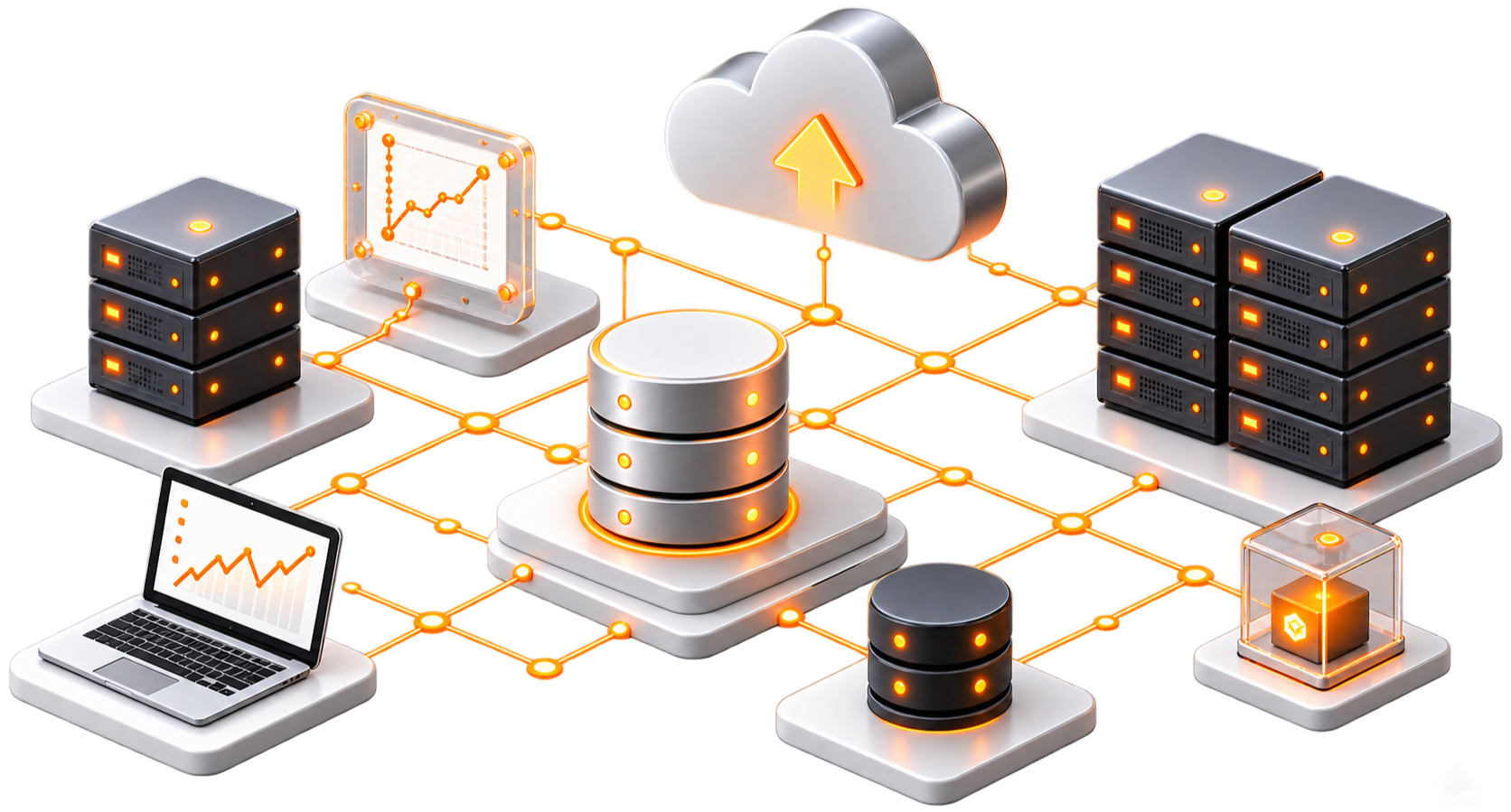
Cloud Infrastructure Management

Active oversight of your cloud environments—managing resource provisioning, configuration, security settings, and cost—to ensure your cloud investment produces consistent operational value.

Cloud Management
AWS
Azure
Cost Optimization

Performance Optimization

Identification and resolution of the specific infrastructure bottlenecks causing application slowdowns, high response times, or degraded user experiences under load.

Performance
Optimization
Scalability

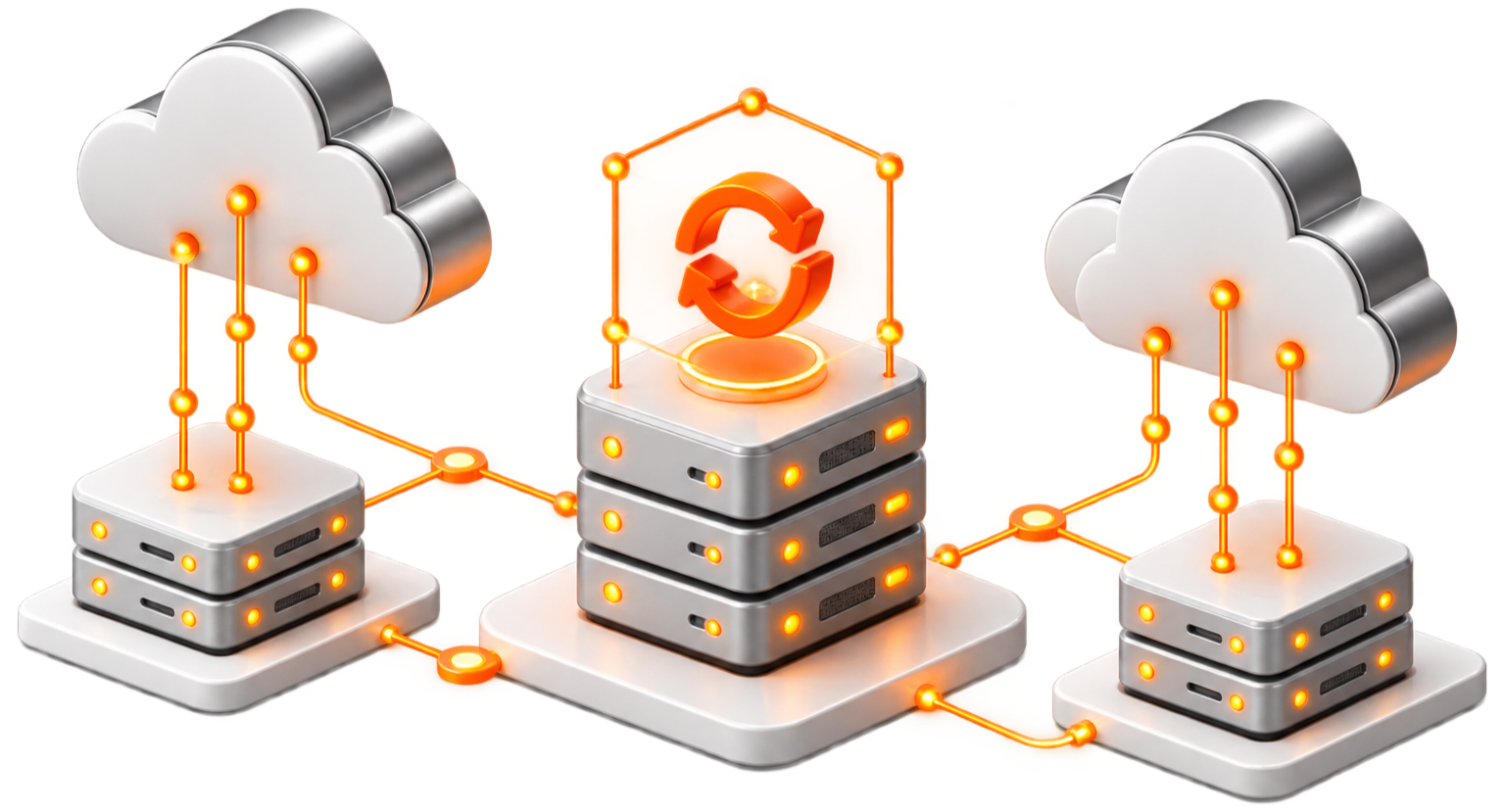
Backup & Disaster Recovery

Structured backup strategies with tested recovery procedures and defined recovery time objectives—ensuring your business can restore critical systems quickly when unexpected infrastructure failures occur.

Backup
Disaster Recovery
Business Continuity

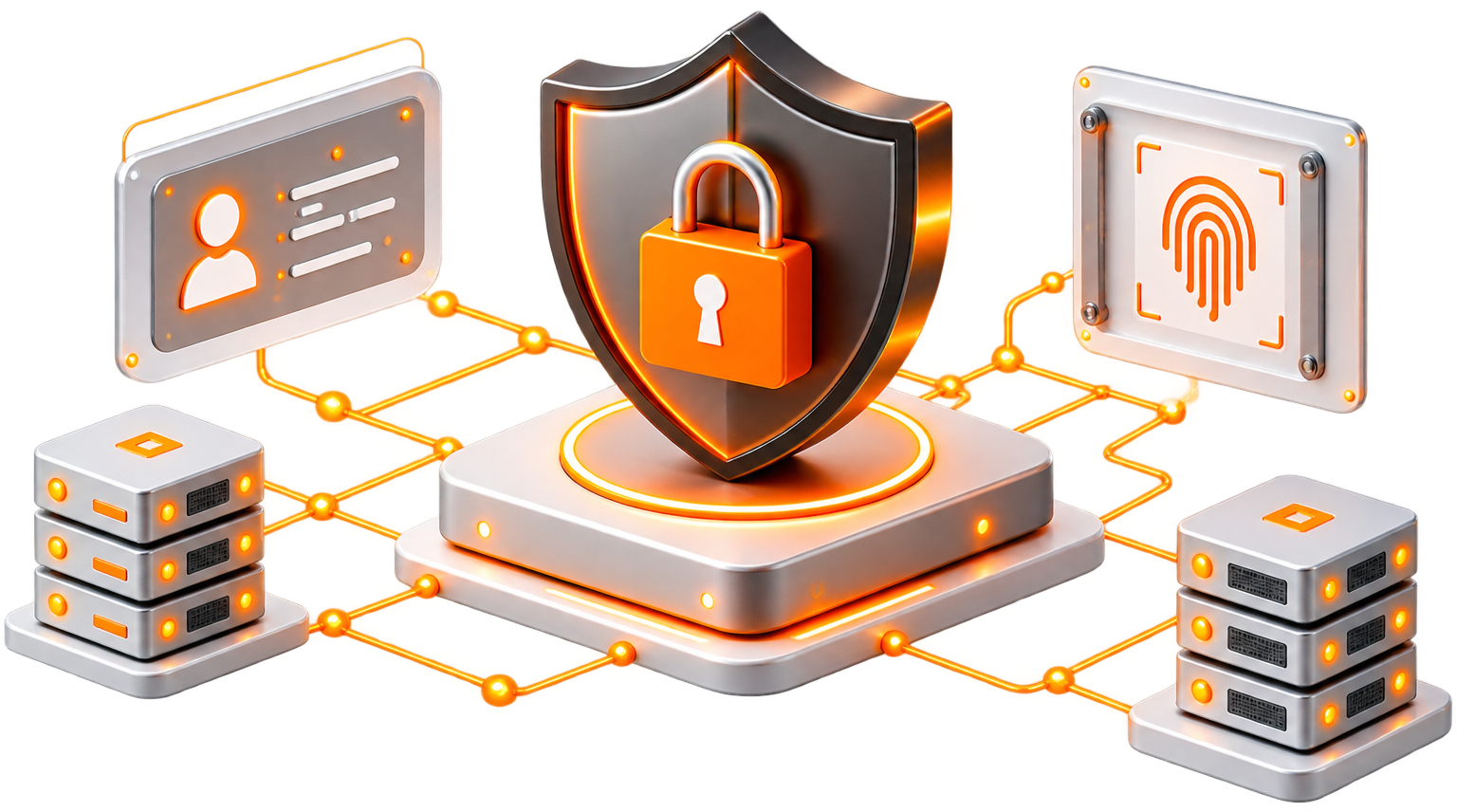
Infrastructure Security

Continuous security posture management that applies patches proactively, enforces access controls, and monitors for anomalous activity—keeping your infrastructure protected as threats and configurations evolve.

Security
Compliance
Access Management

Every business system that employees and customers rely on depends on infrastructure operating correctly underneath it. When a server behaves unexpectedly at midnight, when a database fills its allocated storage during a peak period, when a security configuration update silently breaks an application that has been running without issue for months—these events do not announce themselves in advance. They surface as user complaints, failed transactions, or calls from customers who cannot access your services. The cost is not just the technical disruption. It is the revenue impact, the customer trust damage, and the engineering hours diverted from building product to responding to infrastructure problems that should have been prevented.

The traditional approach to infrastructure is to respond when something breaks. This works adequately when the environment is small and the impact of failures is limited. As the business scales, the approach becomes increasingly expensive. Each outage requires significant engineering effort to diagnose and resolve. Recurring incidents that were never fully root-caused create ongoing instability. Security vulnerabilities accumulate because patches require planned maintenance windows that are perpetually postponed. Technical debt builds silently until the infrastructure supporting your growth becomes the primary constraint on it.

Proactive infrastructure management addresses this directly. Rather than treating the environment as something to fix when it fails, we treat it as an operational asset that requires deliberate, continuous stewardship. We monitor it for early indicators of degradation before those indicators become outages. We apply security patches within the window where they reduce risk rather than after problems have already occurred. We review capacity against growth trends before resource saturation affects application performance. The result is an infrastructure environment that is reliably stable rather than reactive and unpredictable.

As a core service within our Cloud & DevOps practice, infrastructure management spans the full operational lifecycle. Infrastructure Monitoring provides real-time visibility into the health of your servers, databases, and network components—with alerting configured to notify the right people about the right conditions before users are affected. Server and Cloud Infrastructure Management handles the day-to-day administration that keeps systems current, configured correctly, and performing as expected. Performance Optimization addresses the specific bottlenecks that cause application slowdowns under load, identifying and resolving them before they become customer-facing incidents.

Backup and Disaster Recovery is the discipline most organizations invest inadequate attention in until they need it urgently. We design backup strategies with defined recovery time objectives, test those procedures regularly against actual failure scenarios, and ensure that if the worst does occur, your business restores its critical systems within the timeframe your operations actually require. This is a different standard from having backups that have never been tested and a recovery plan that was written once and never revisited.

Infrastructure Security is an ongoing operational responsibility, not a configuration that is completed once at deployment. Threat landscapes change, software vulnerabilities are discovered in components your systems depend on, and access control decisions made for a team of ten may be inadequate for a team of fifty. We manage security posture as a continuous operational function—reviewing access controls, applying patches proactively, and monitoring for anomalous behavior that indicates a security event before it becomes a breach.

For organizations that have adopted cloud infrastructure, or are in the process of transitioning, infrastructure management ensures the environment continues to operate efficiently as it grows. Cloud infrastructure managed without discipline tends to accumulate unused resources, misapplied configurations, and unnecessary costs. We provide the ongoing oversight that keeps your cloud environment performing correctly and your infrastructure spend proportionate to the business value it delivers.

Why US

A Dependable Infrastructure Partner

We manage your infrastructure the way you would if you had a dedicated team watching it around the clock.

Business Continuity

Every infrastructure decision we make is evaluated against its impact on your operational availability. We design for resilience and test recovery procedures regularly so your business does not discover gaps during an actual incident.

Business Continuity
Resilience
High Availability

Proactive Monitoring

We monitor your infrastructure continuously, with alerting calibrated to surface meaningful signals rather than noise—ensuring our team is aware of developing problems before they affect your users.

Proactive Monitoring
Alerting
Observability

High Availability

We design infrastructure architectures with redundancy at every critical layer, eliminating the single points of failure that turn isolated component issues into organizational outages.

High Availability
Redundancy
Architecture

Security-First Infrastructure

We treat security as an operational discipline rather than a configuration setting. Patches are applied proactively, access is reviewed regularly, and anomalous behavior is investigated before it becomes an incident.

Security
Patch Management
Compliance

Scalable Environments

We design infrastructure that accommodates your growth without requiring emergency re-architecture when demand increases—building capacity planning into the operational rhythm from the start.

Scalability
Capacity Planning
Growth

Long-Term Operational Support

Infrastructure requires ongoing management across its entire operational life. We provide structured, SLA-backed support that keeps your environment current, secure, and performing as your business requirements evolve.

Managed Services
Support
Partnership
Testimonials

Our happy clients

Hear from clients who’ve experienced remarkable transformations with Flipworks Technology.

Working with several word themes and templates the last years only can say this is best in every level use it for my company and the reviews that I have already are all excellent. Not only the design but the code

Alvantan Khan Lead Developer

Working with several word themes and templates the last years only can say this is best in every level use it for my company and the reviews that I have already are all excellent. Not only the design but the code

Kristin Watson Developer

Working with several word themes and templates the last years only can say this is best in every level use it for my company and the reviews that I have already are all excellent. Not only the design but the code

Ronald Richards UI Designer

Working with several word themes and templates the last years only can say this is best in every level use it for my company and the reviews that I have already are all excellent. Not only the design but the code

Brooklyn Simmons Creative Director

Working with several word themes and templates the last years only can say this is best in every level use it for my company and the reviews that I have already are all excellent. Not only the design but the code

Marvin McKinney Product Manager

Working with several word themes and templates the last years only can say this is best in every level use it for my company and the reviews that I have already are all excellent. Not only the design but the code

Alexander Cameron Lead Developer

I’ve tried several templates before, but this one stands out. It offers a perfect balance of aesthetics and performance. My team and I are extremely satisfied with how easy it is to use and customize. Truly a top-notch product!

David Richard php developer

This theme has exceeded my expectations in every way. The design is elegant, the code is clean, and the support is outstanding. It has helped my business grow, and the feedback from my customers has been overwhelmingly positive!

Ami Na Tahkle Product Manager

After using multiple website themes over the years, I can confidently say this is the best. It meets all my expectations in terms of design and functionality. My clients love the seamless experience, and I highly recommend it for anyone looking for quality

John Max Daman+
FAQ's

Frequently Asked Questions

Got questions? We've got answers. Navigate the complexities of digital presence with ease.

Still have questions?

Book a call with our friendly team to get all your questions and queries answered.

Talk to our team for your query
  • What does infrastructure management actually cover?

    Infrastructure management encompasses the ongoing operations, monitoring, security, and optimization of the servers, cloud environments, databases, and network components that your business applications depend on. This includes proactive maintenance, incident response, capacity planning, patch management, and disaster recovery.

  • Why should we outsource infrastructure management rather than managing it internally?

    Managing infrastructure reliably requires dedicated engineering attention around the clock. For most organizations, maintaining that capability internally means significant investment in specialized staff who spend their time on operational tasks rather than building product. Managed infrastructure services provide that operational coverage at a cost structure that is consistently more efficient than the internal equivalent.

  • Can you manage our existing infrastructure, or do we need to rebuild?

    We work with existing infrastructure environments—assessing the current state, identifying the gaps that create the highest operational risk, and taking over management responsibility from your current team. Rebuilding is only recommended where the existing architecture creates problems that cannot be resolved through management improvements alone.

  • How do you minimize downtime for our business-critical systems?

    We prevent most downtime through proactive monitoring and maintenance—catching developing problems before they become failures. For planned maintenance, we schedule work during low-traffic windows using procedures that minimize or eliminate service interruption. For unplanned failures, our incident response procedures prioritize rapid diagnosis and recovery.

  • How is infrastructure security managed?

    Security management is a continuous operational function, not a one-time configuration. We apply security patches within defined timeframes, review access controls regularly, monitor for anomalous activity, and maintain audit logs for compliance and forensic purposes.

  • What monitoring tools do you use?

    We select monitoring tooling based on your environment and technology stack. We work with Prometheus, Grafana, and cloud-native monitoring services, among others, and configure them to provide meaningful operational visibility rather than overwhelming alert volumes.

  • Can infrastructure scale as our business grows?

    Yes. We build capacity planning into the regular operational review cycle, identifying when resource constraints are approaching and implementing expansion before they affect performance. Cloud environments particularly benefit from this approach because they can scale elastically when properly managed.

  • How do you handle disaster recovery?

    We design recovery architectures with defined recovery time and recovery point objectives that reflect your actual business continuity requirements. Recovery procedures are documented, tested regularly against real failure scenarios, and refined based on the results of those tests.

  • Can you manage both cloud and on-premise infrastructure together?

    Yes. Hybrid environments are common among organizations that have begun cloud adoption while retaining on-premise infrastructure for specific workloads. We manage both components within a unified operational framework, ensuring consistent monitoring, security management, and performance standards across the entire environment.

  • Which industries do you support?

    We provide infrastructure management for organizations across financial services, healthcare, logistics, retail, manufacturing, and professional services. Our team is experienced with the compliance and security requirements common in regulated industries.

  • What support is available outside of business hours?

    Infrastructure incidents do not respect business hours. We provide structured on-call support for critical systems, with defined response times based on the severity of the incident and your operational requirements. Our SLAs specify the exact response commitments your business can rely on.

  • How do we start an infrastructure management engagement?

    We begin with an infrastructure assessment that maps your current environment, evaluates its health and security posture, identifies the highest-risk operational gaps, and defines the management scope and SLA structure. This produces a clear picture of what we will manage, how, and against what performance standards before the engagement begins.

Let’s create something out of this world together.

Have a project in mind? Contact us for expert design and development solutions. Let's discuss how we can help grow your business.

Submit