
Business-First Consulting
We do not recommend technology for its own sake. We evaluate your operational requirements to ensure a PWA is the most cost-effective path to achieving your goals.
Fast, reliable web applications that deliver app-like experiences directly through the browser, reducing development costs while expanding audience reach.
Digital experiences that combine the reach of the web with the performance of native applications.

Tailored applications designed to solve specific operational challenges, providing your workforce or customers with fast, reliable access across all devices.

Specialized architectures built for environments with unreliable internet, allowing users to continue working seamlessly with automatic background synchronization.

High-capacity internal platforms that consolidate complex corporate workflows into a single, mobile-friendly interface, reducing the need for costly internal app deployments.

Ultra-fast digital storefronts engineered to minimize loading times, support frictionless mobile checkout, and drive measurable increases in conversion rates.

Secure, installable web portals that allow clients to manage accounts and access support instantly from their home screen without downloading a heavy app.

Strategic upgrades that convert existing, sluggish legacy websites into modern Progressive Web Applications, dramatically improving performance and user retention.
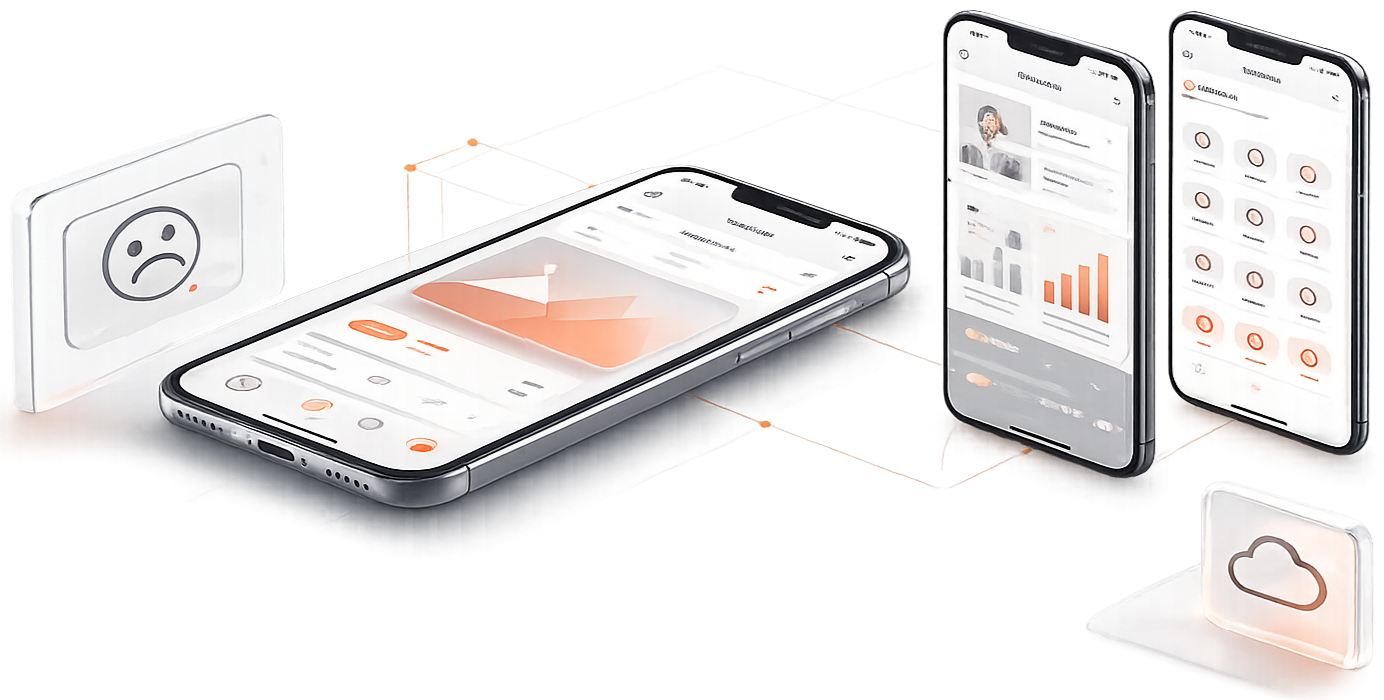
Reaching mobile users often means choosing between a limited mobile website or costly native iOS and Android apps. Both approaches can create performance, maintenance, and adoption challenges.
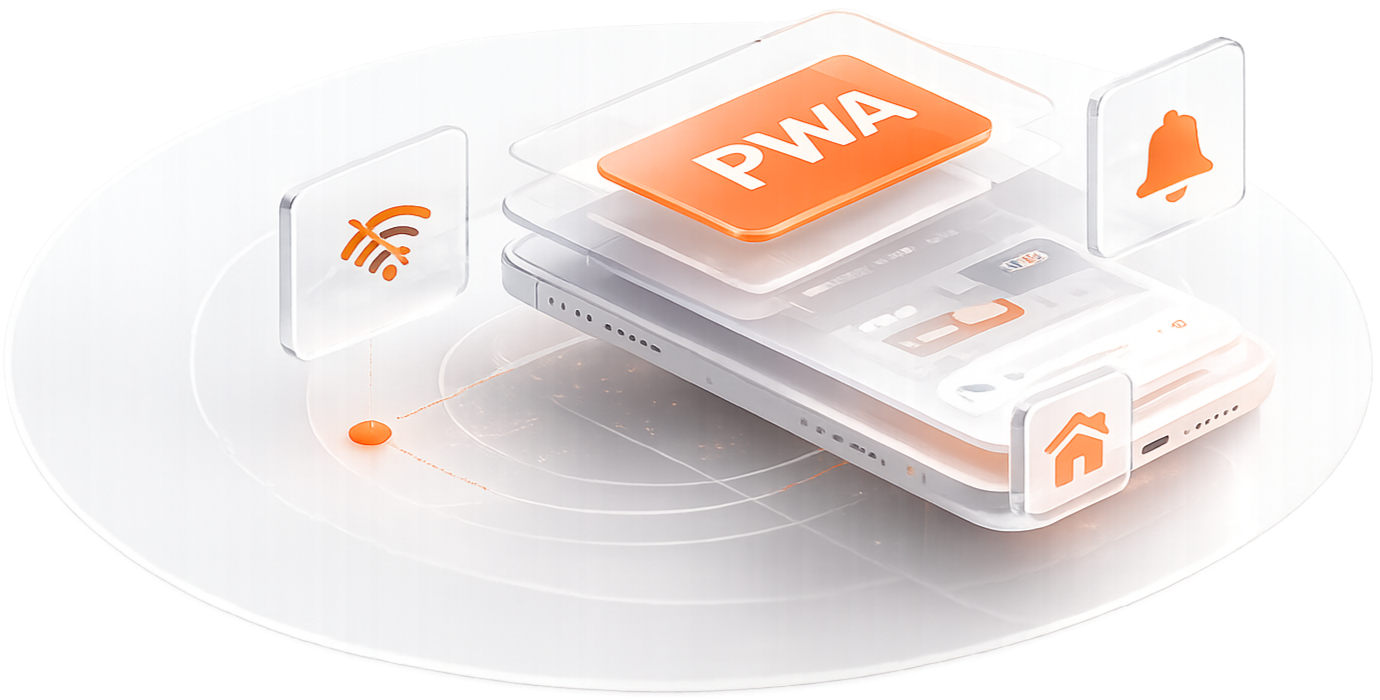
Progressive Web Applications (PWAs) combine web accessibility with app-like performance. Users can access them through a browser, install them on their home screen, receive notifications, and continue working offline or with limited connectivity.
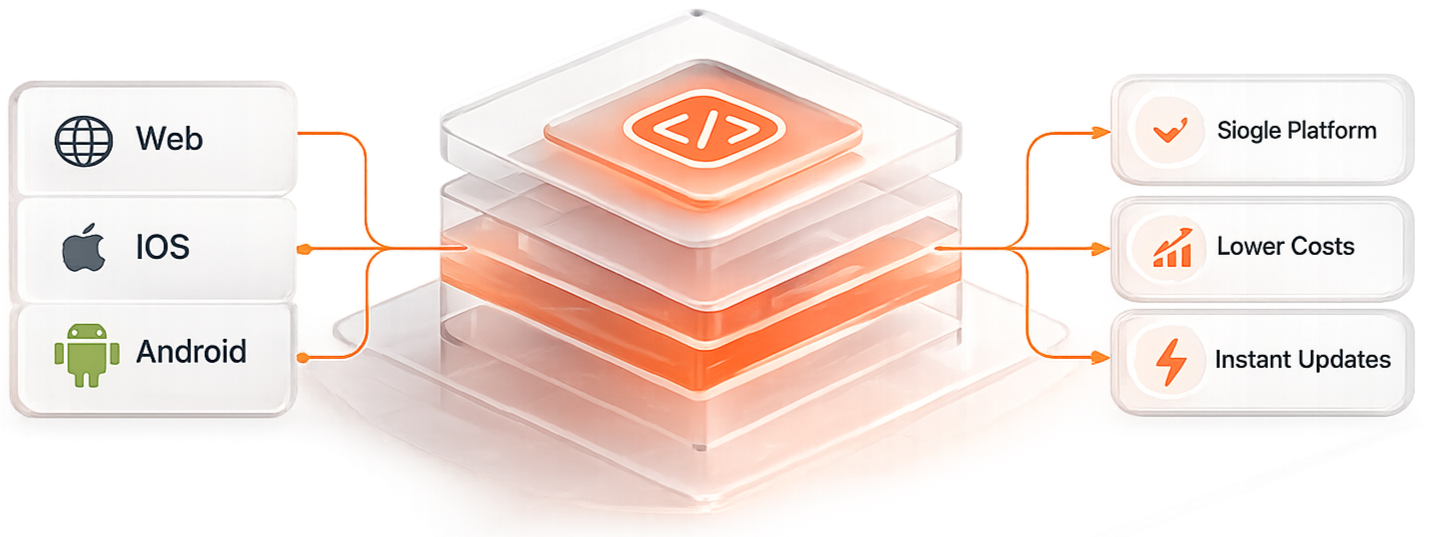
A single PWA platform replaces separate web, iOS, and Android codebases, reducing development and maintenance costs. Updates can also reach users instantly without app store approval.
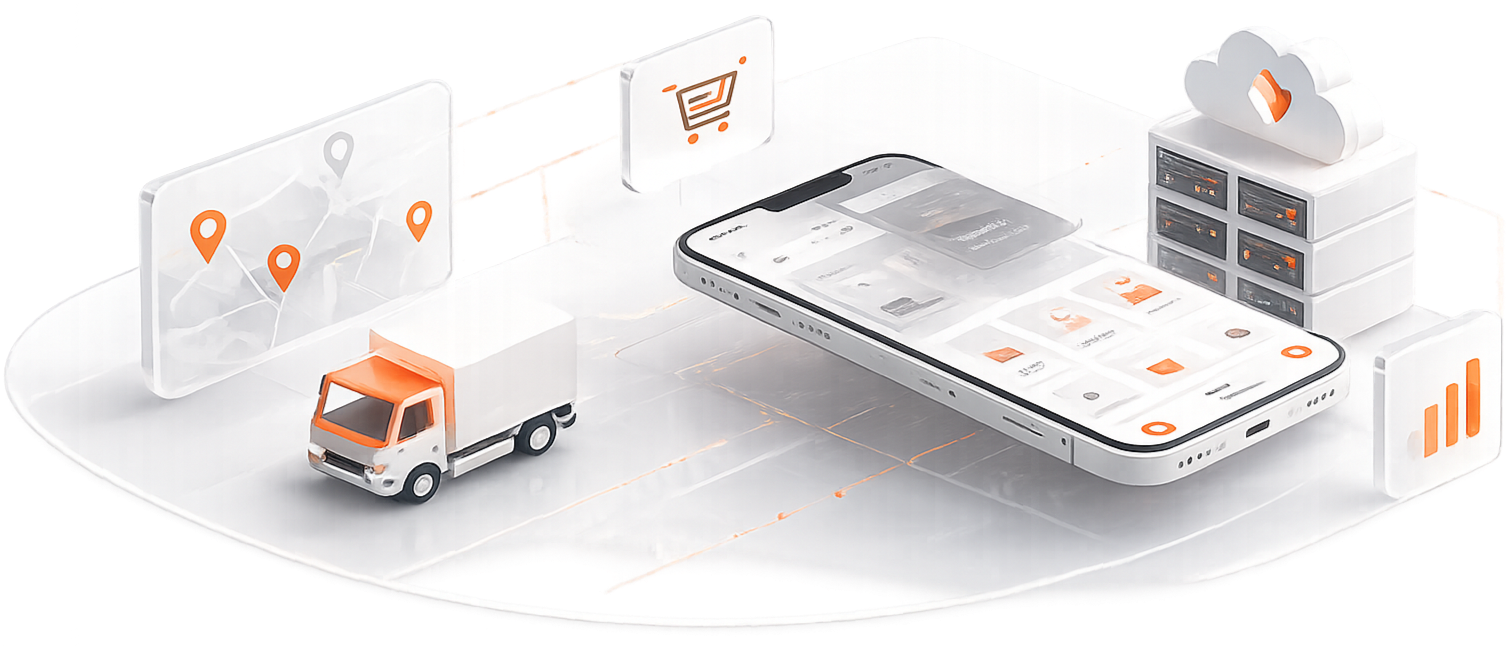
We build PWAs for real-world business needs—from offline-first field applications and logistics tools to fast E-Commerce experiences that improve accessibility and reduce abandonment.
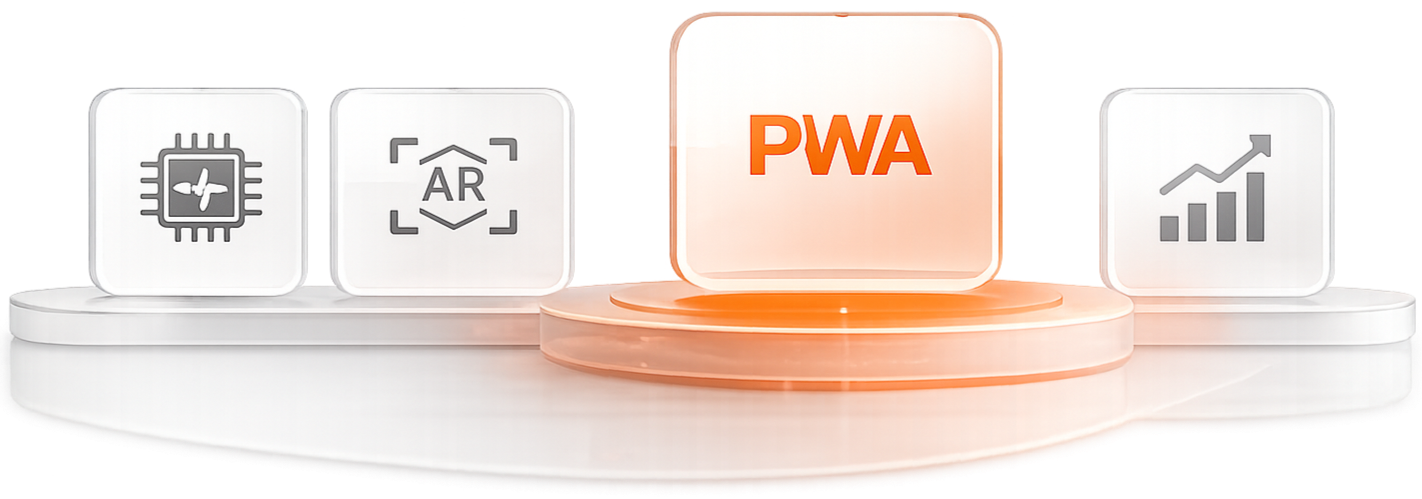
PWAs are not ideal for every use case. Native apps remain better for intensive graphics, advanced AR, and deep hardware integration. For many enterprise, portal, and consumer services, PWAs offer an effective balance of performance, accessibility, and cost.
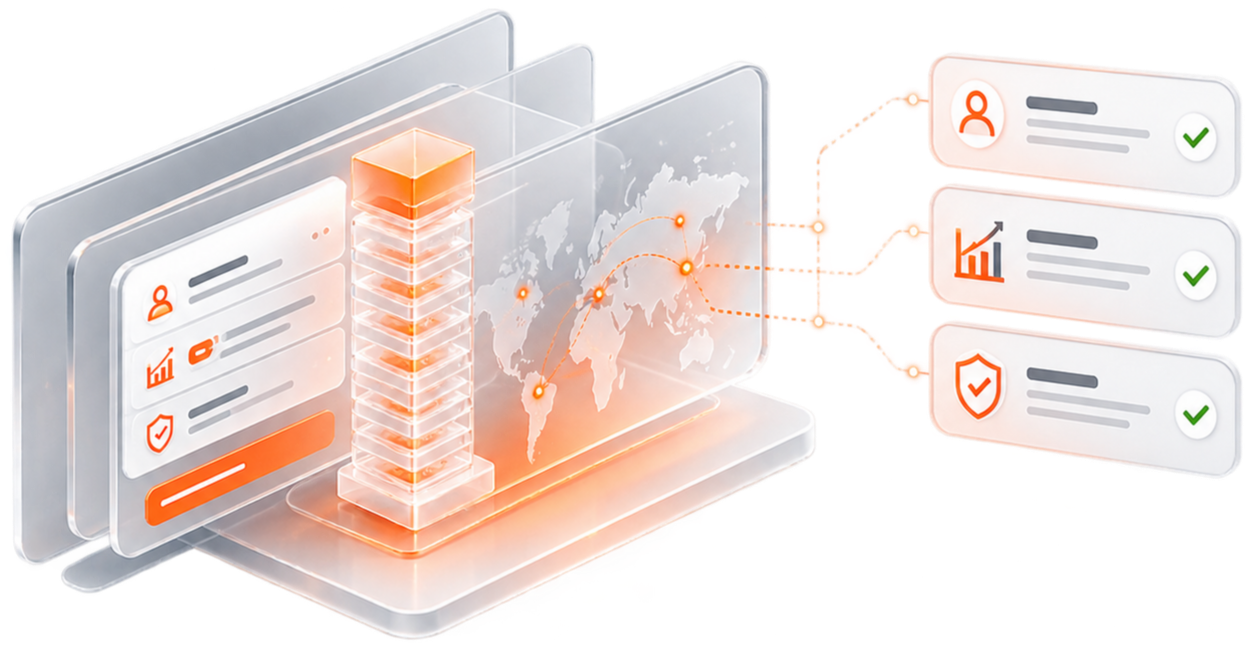
We evaluate your users, technical environment, and business goals to determine where PWAs fit. Whether modernizing a legacy platform or building from scratch, we create scalable architectures that protect your technology investment.
We build high-performance applications that reduce technical debt and accelerate user adoption.
We do not recommend technology for its own sake. We evaluate your operational requirements to ensure a PWA is the most cost-effective path to achieving your goals.

We engineer single codebases that perform flawlessly across iOS, Android, Windows, and macOS, ensuring a consistent brand experience for every user.

Speed is a primary feature. We utilize advanced caching strategies and lightweight architectures to ensure your application loads instantly, even on older devices.

We build PWAs that enforce HTTPS protocols, implement secure data storage for offline use, and protect sensitive corporate information from unauthorized access.

Mobile web standards evolve constantly. We provide ongoing monitoring, performance tuning, and structured updates to keep your application running at peak efficiency.

We construct modular architectures designed to grow with your business. New features can be deployed instantly to all users without requiring fresh app installations.
Hear from clients who’ve experienced remarkable transformations with Flipworks Technology.
Working with several word themes and templates the last years only can say this is best in every level use it for my company and the reviews that I have already are all excellent. Not only the design but the code

Working with several word themes and templates the last years only can say this is best in every level use it for my company and the reviews that I have already are all excellent. Not only the design but the code

Working with several word themes and templates the last years only can say this is best in every level use it for my company and the reviews that I have already are all excellent. Not only the design but the code

Working with several word themes and templates the last years only can say this is best in every level use it for my company and the reviews that I have already are all excellent. Not only the design but the code

Working with several word themes and templates the last years only can say this is best in every level use it for my company and the reviews that I have already are all excellent. Not only the design but the code

Working with several word themes and templates the last years only can say this is best in every level use it for my company and the reviews that I have already are all excellent. Not only the design but the code

I’ve tried several templates before, but this one stands out. It offers a perfect balance of aesthetics and performance. My team and I are extremely satisfied with how easy it is to use and customize. Truly a top-notch product!

This theme has exceeded my expectations in every way. The design is elegant, the code is clean, and the support is outstanding. It has helped my business grow, and the feedback from my customers has been overwhelmingly positive!

After using multiple website themes over the years, I can confidently say this is the best. It meets all my expectations in terms of design and functionality. My clients love the seamless experience, and I highly recommend it for anyone looking for quality
Got questions? We've got answers. Navigate the complexities of digital presence with ease.
Book a call with our friendly team to get all your questions and queries answered.
A Progressive Web Application (PWA) is a modern web application that uses advanced browser capabilities to deliver an experience similar to a native mobile app. It can be installed on a user's home screen, work offline, and send push notifications, all without requiring an app store download.
It depends entirely on your business requirements. PWAs are vastly superior for reducing development costs, simplifying maintenance, and reaching a broader audience quickly. Native apps remain better for applications requiring intense graphic processing, like complex mobile games, or deep integration with specialized device hardware.
You should choose a PWA when you want to deliver a fast, app-like experience across all devices (desktop and mobile) but want to avoid the high costs of maintaining separate iOS and Android codebases. They are highly effective for e-commerce, business portals, and internal enterprise tools.
Yes. This is one of their most powerful business advantages. Using technology called Service Workers, PWAs can cache essential data locally. If an employee in the field loses their cellular connection, they can continue using the application, and the data will automatically synchronize with your servers once the connection is restored.
Yes. PWAs support push notifications on most major platforms, allowing you to re-engage users with critical alerts, order updates, or marketing messages just as you would with a native mobile application.
PWAs are inherently secure because they strictly require HTTPS connections to function. This ensures that all data transferred between the user and your servers is encrypted, preventing tampering and protecting sensitive business information.
Yes. Depending on how your current website is built, we can often refactor the existing codebase, add the necessary Service Workers, and configure a Web App Manifest to upgrade the site into a fully functional PWA without starting entirely from scratch.
Absolutely. Many enterprises adopt PWAs to consolidate their internal software tools. Instead of forcing employees to download and update multiple corporate apps, a single PWA can provide secure, cross-platform access to workflows, HR systems, and reporting dashboards.
While costs vary based on complexity, developing a PWA is significantly more cost-effective than building native iOS and Android apps simultaneously. You are funding the development of a single, unified platform rather than maintaining three separate engineering efforts.
Development timelines depend on the required features and backend integrations. A focused customer portal might take three to four months, while a complex, offline-first enterprise application could require six to nine months of engineering.
Yes. Like any robust web application, a PWA can connect to your existing ERP, CRM, or legacy databases through secure APIs. This ensures the application acts as a seamless extension of your current operational infrastructure.
We offer structured post-launch support that includes active performance monitoring, security patching, and strategic iteration. As browser capabilities expand and your business requirements evolve, we ensure the PWA remains optimized and aligned with your goals.
Have a project in mind? Contact us for expert design and development solutions. Let's discuss how we can help grow your business.